
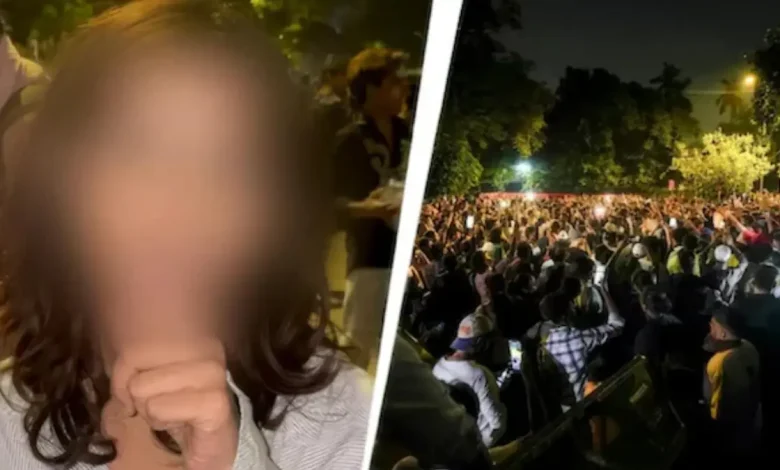
New Delhi : The Delhi Police have decided not to pursue the FIR against the 15-year-old girl whose video of allegedly using abusive language against Prime Minister Narendra Modi during the Cockroach Janta Party’s (CJP) protest at Delhi’s Jantar Mantar went viral last month, bringing an end to a controversy that had sparked nationwide political debate.
The decision comes days after Noida Police registered a Zero FIR against the minor. Soon afterwards, the girl issued a public apology, saying she had acted under the influence of others present at the protest and expressing deep remorse for her remarks.
“I am only 15 years old. Whatever I did was not worthy of forgiveness. I have said a lot of bad things. This is my first and last mistake. I apologise to the entire country. I am so ashamed. I can’t even look at myself. Please forgive me,” she said in the video. Calls for leniency gathered momentum after the apology, with Prime Minister Narendra Modi saying he had forgiven the “misguided children” who had abused him.
In an Instagram Reel, he urged people not to prolong the episode through legal action, saying punishment and court proceedings would not change the circumstances and appealing to society to accept his decision to forgive them. The girl’s mother welcomed the Prime Minister’s response, describing it as an act of compassion that had given her daughter “a new life.” She appealed for the FIR to be withdrawn, claiming it contained incorrect details regarding her daughter’s name and age.

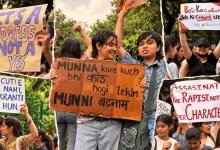


She also urged the Prime Minister to consider restricting social media access for children under the age of 18, arguing that minors are vulnerable to influence and should be kept away from protest sites so they can focus on their education. The controversy stemmed from a viral video recorded during the CJP-led anti-NEET paper leak protest at Jantar Mantar. What began as outrage over the teenager’s remarks soon evolved into a wider debate over juvenile accountability, political protests, and the role of social media in influencing minors.
The youth-led agitation concluded on July 25 after the government accepted several key demands related to examination reforms, transparency, and accountability in the conduct of competitive examinations. The movement drew thousands of students from across the country, received support from innovator-activist Sonam Wangchuk during his hunger strike, and witnessed major flashpoints, including clashes with police and a march towards Parliament.
Read Also : ‘My Education Was Not Family-Funded’: Dipke On US Study Controversy