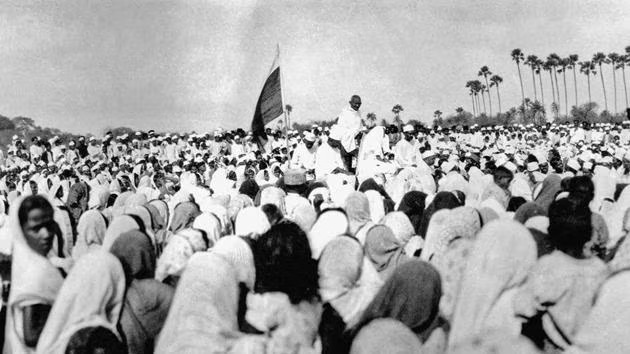
As the chaotic, long-battled student protest came to an end, both parties have found a middle ground, and with the satisfaction expressed, the series of tireless strikes, marches, and voicing of slogans behind the win are at rest now. Jantar Mantar, Azad Maidan, Parliament Street, Freedom Park, Gandhi Maidan, and many more are silent with the energy of past struggles. But have you wondered why mass protests take place at such places? What is the reason for protesting sites being situated at specific locations?
For a long time, the common belief was simple: these sites are built close to the homes of power, the parliament, the secretariat, and the courts, so that the voice of the public can be heard right where it matters.

As metropolitan centers expanded, open-ended street marches choked traffic and paralyzed commercial transit, forcing urban planning and the law to step in. Contrary to popular belief, the British did not leave us this blueprint of containment; colonial rulers either banned assemblies outright or faced open-ended marches head-on, meaning the modern protest site is actually a post-independence administrative mechanism, such as Delhi’s Jantar Mantar being designated in 1993 or Mumbai’s Azad Maidan being legally restricted following a High Court ruling.
ALSO READ: ‘Shameful’: CPI Slams BJP For Felicitating Dharmendra Pradhan
Take Jantar Mantar in Delhi, located just about three kilometers away from the Parliament house. It is close enough to keep the pressure on lawmakers, but safely tucked away from the main traffic arteries. Similarly, Azad Maidan in Mumbai sits near the state secretariat, serving as an enclosed space to manage large crowds. Following its formal legal confinement, early high-profile labor strikes and public rallies put this containment model to the test, showing the tension between free expression and strict crowd control.
Across the country, this same setup applies. Places like Bengaluru’s Freedom Park, heavily used by political dissidents during the 1975 Emergency and situated less than two kilometers from the Karnataka High Court, or historic sites like Jallianwala Bagh in Punjab and Rani Rashmoni Avenue in Kolkata all reflect this strategic planning.
Furthermore, the very names of these locations carry an inherent rebellion nature. “Azad” translates to freedom, symbolizing the historical pursuit of liberty from colonial and oppressive structures. “Freedom Park” was literally transformed from a central jail into a sanctuary for political dissenters, directly channeling the defiance of those imprisoned against state control. “Jallianwala Bagh” stands as an eternal monument to supreme sacrifice against tyrannical colonial laws.
In the end, these locations show that modern protest geography isn’t just about giving people a platform. It is about drawing a clear boundary where the public can speak to the state, without letting the chaos take over the city.
Azad Maidan, Freedom Park, Jantar Mantar, every time a protest occurs on these sites in the future, the historic weight of these places and the real purpose behind why they are there must be remembered.
-

-

-

-