
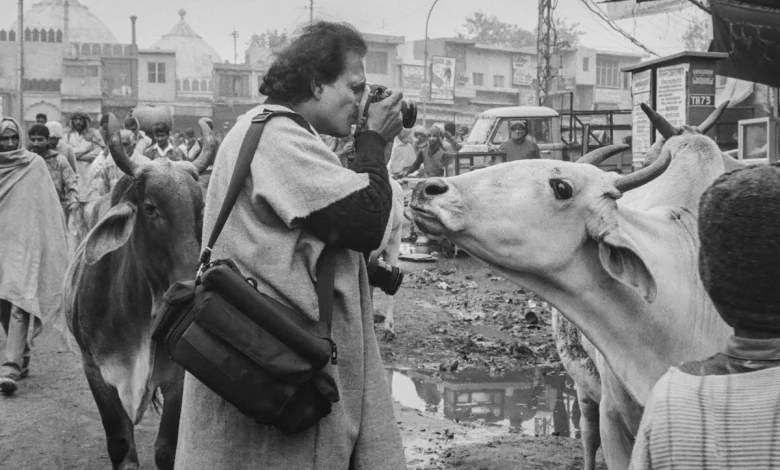
Veteran Indian photographer Raghu Rai, widely regarded as one of the pioneers of photojournalism in the country, passed away on Sunday at the age of 83 following a prolonged battle with cancer.
Rai had been diagnosed with prostate cancer nearly two years ago and initially responded to treatment. However, the illness later spread to his stomach and eventually his brain, his son told PTI. In recent months, his health deteriorated further due to complications related to age.
Born on December 18, 1942, in Jhang—now in Pakistan—Rai emerged as one of India’s most influential visual storytellers. He began his career in photography in the mid-1960s and went on to work as a staff photographer with The Statesman. After leaving the publication in 1976, he pursued an independent career as a freelance photographer.
Between 1982 and 1992, Rai served as the Director of Photography at India Today, further cementing his reputation in the field. His contributions also extended internationally, including his role as a jury member for World Press Photo from 1990 to 1997.



Rai’s work gained global recognition, in part due to the mentorship of renowned French photographer Henri Cartier-Bresson, who recommended him for membership in Magnum Photos in 1977—an honour reserved for some of the world’s most accomplished photographers.
Over decades, Rai created a compelling visual archive of modern India. His lens captured defining historical moments, including the aftermath of the Bhopal gas tragedy, as well as intimate portraits of prominent figures such as Mother Teresa and Indira Gandhi.
His body of work also includes acclaimed photography books like Raghu Rai’s India: Reflections in Colour and Reflections in Black and White. In recognition of his contributions, he was awarded the Padma Shri in 1972 and received several international honours, including a prestigious photography award from the Académie des Beaux-Arts in 2019.
Rai’s death marks the end of an era in Indian photography, leaving behind a legacy defined by powerful imagery and an enduring visual narrative of the nation’s history.