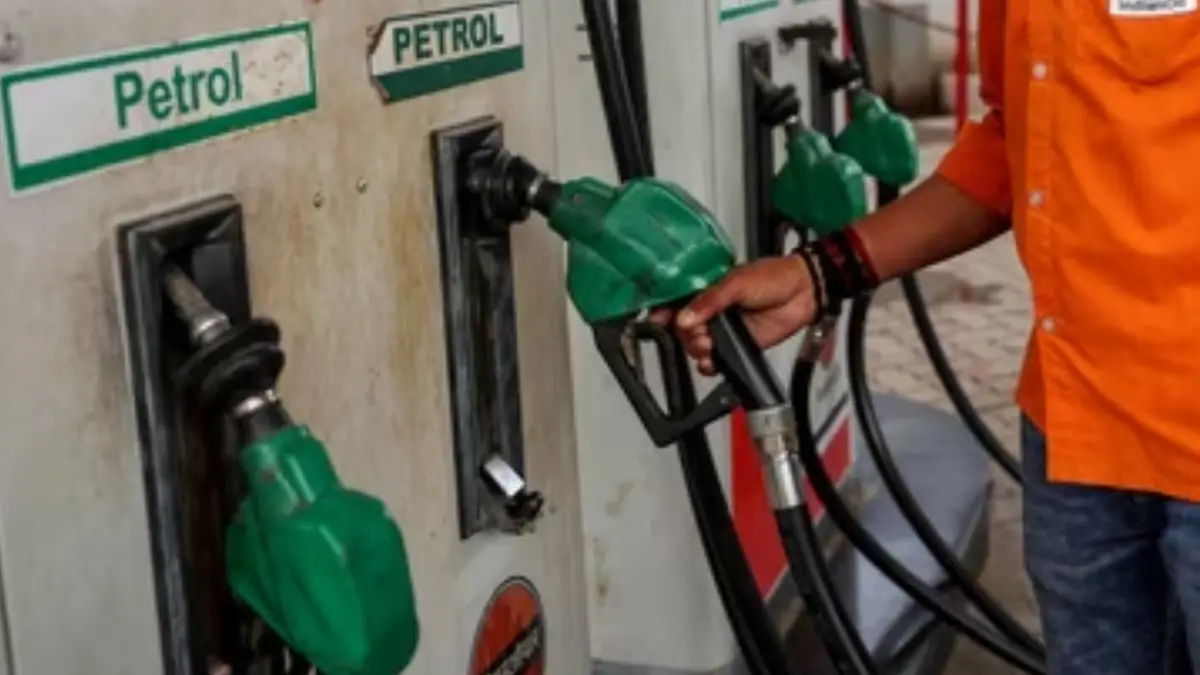
Fuel prices across India held steady on July 23, even as oil markets settled lower last week following the latest round of the US-Iran war, amid hopes that shipping traffic would eventually resume through the Strait of Hormuz.
Brent crude futures settled at $85.70 per barrel, up 0.99%. This remains well below the late-April peak of over $120 per barrel, when the Hormuz closure first rattled global energy markets.
Petrol and diesel prices have stayed unchanged since May 25, when state-owned Oil Marketing Companies (OMCs) last revised rates, raising petrol by ₹2.61 per litre and diesel by ₹2.71 per litre.
In Delhi, petrol continues to be priced above the ₹100 mark at ₹102.12 per litre, while diesel is retailing at ₹95.20 per litre. Mumbai remains above the ₹110 threshold for petrol, with prices at ₹111.21 per litre and diesel at ₹97.83 per litre.
In other major cities, including Bengaluru, Hyderabad and Kolkata, petrol prices remain above ₹110 per litre. Diesel prices in these cities stay below ₹100, with the exception of Hyderabad, where diesel is priced at ₹103.82 per litre.
Fuel Prices in Key Cities (July 23)
| City | Petrol (₹/litre) | Diesel (₹/litre) |
|---|---|---|
| Delhi | 102.12 | 95.20 |
| Hyderabad | 115.73 | 103.82 |
| Kolkata | 113.50 | 99.82 |
| Mumbai | 111.21 | 97.83 |
| Bengaluru | 111.68 | 99.56 |
| Chennai | 107.76 | 99.55 |
What Drives Petrol and Diesel Prices in India?
A mix of global, economic and domestic factors determines fuel prices at the pump. Chief among them is the international price of crude oil, the base raw material for both petrol and diesel, which has the single biggest influence on what consumers ultimately pay.
The rupee-dollar exchange rate is another critical factor, given India’s heavy reliance on imported crude. A weaker rupee against the dollar pushes up the cost of procuring crude, which can translate directly into higher retail fuel prices.
Why Do Prices Differ Across Cities?
Beyond global crude costs, taxes imposed by both central and state governments account for a significant share of the final retail price, which explains why petrol and diesel rates vary from state to state. Transportation costs and local demand-supply dynamics also play a role in shaping the price consumers pay at the pump.
-

-

-

-