
India is marking its 80th Independence Day in 2026, even as it has been 79 years since the Partition of 1947, one of the most traumatic episodes in the subcontinent’s modern history. As the nation remembers its freedom struggle, Partition Horrors Remembrance Day, observed on August 14, also draws attention to the immense human cost of Partition.
India Observes Partition Horrors Remembrance Day
On Friday, August 14, 2026, India observed Partition Horrors Remembrance Day, paying homage to all those who sacrificed their lives and suffered unimaginable pain during the Partition of 1947. To honour those who lost their lives or were displaced from their homeland due to the division of the nation, the government decided in 2021 to observe August 14 every year as a day of commemoration. Notably, Pakistan celebrates its independence day on the same date.
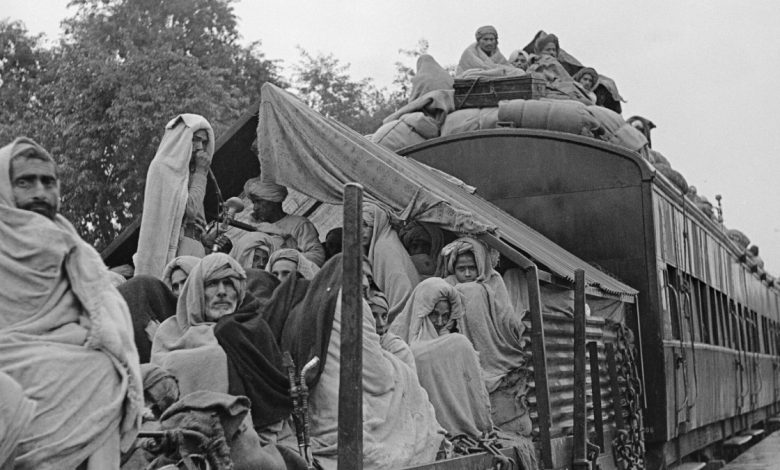
The Partition of British India in August 1947 led to the creation of India and Pakistan and triggered one of the largest mass migrations in modern history, forcing millions of people to leave their homes amid communal violence and uncertainty.
Prime Minister Narendra Modi shared his message on Partition Horrors Remembrance Day on X. “Today we mark #PartitionHorrorsRemembranceDay. We recall the courage of all those who were impacted by Partition. It was a moment in history that tore apart several lives…families were uprooted, loved ones were lost and immense suffering was endured,” the PM wrote.


He further said, “At the same time, overcoming this, people rebuilt their lives from nothing, turned adversity into achievement and contributed immensely to our nation’s progress. Their life journeys remind us of the strength of the human spirit. May this day deepen our resolve to preserve harmony and brotherhood in our nation and collectively work towards building a Viksit Bharat.”
Millions Forced to Migrate
Historical estimates suggest that around 14–15 million people crossed the newly created borders between India and Pakistan. Hindus and Sikhs largely moved towards India, while Muslims migrated towards Pakistan. Families were separated, homes abandoned, and communities that had lived together for generations were uprooted.
The exact death toll during Partition remains disputed. Historians have estimated the figure at anywhere between 200,000 and one million, with several accounts placing it around 500,000.
Humanitarian Crisis During Partition
The migration created an enormous humanitarian challenge. Refugees travelled by foot, train, and caravans, often under extremely dangerous conditions. Partition-era trains became grim symbols of the violence, with some arriving at their destinations carrying victims of communal attacks.
Women and children were particularly vulnerable during the violence, with historical research documenting widespread cases of abduction, sexual violence, and forced displacement.