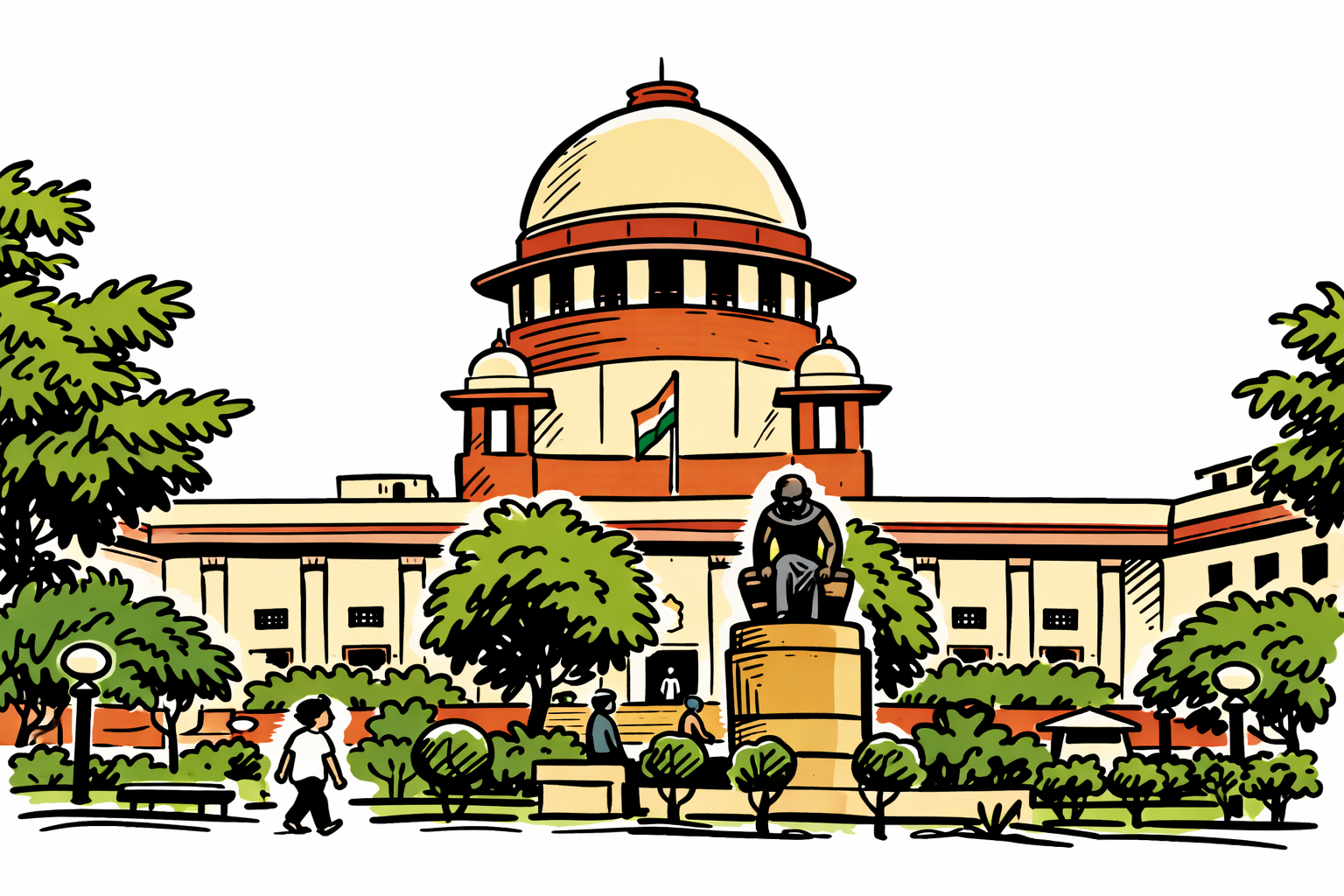
The Supreme Court said on Friday, September 18, that it may visit the National Testing Agency’s (NTA) permanent office to assess whether the systems in place for conducting examinations are actually functioning as intended. The remark came while the court was hearing a batch of petitions related to the alleged NEET-UG 2026 paper leak.
Justice PS Narasimha said the court could visit the NTA’s office in New Delhi to inspect its systems, manpower and overall arrangements. “We’ll come and see whether the system is actually in place, whether it is working or not working, manpower, all these things,” he said, as reported by Bar and Bench.
On the subject of NTA reforms, the court underlined that the recommendations made by various committees should not remain confined to paper and must be translated into actual implementation on the ground. It directed the Joint Secretary coordinating with the high-powered committee to file an affidavit detailing the progress made so far.
NTA Directed to File Updated Affidavit
The NTA was also instructed to submit an updated affidavit setting out the reforms carried out and the progress achieved, and to make this information public on its website. The court additionally permitted lawyers and state governments to submit their suggestions through a designated email address, adding that it would take up the matter again once the updated affidavit is filed.
The bench also discussed the need to strengthen the NTA’s institutional framework, including expanding its permanent staff strength. It noted that the agency needs adequate manpower and effective coordination with other institutions, and said it would also examine whether the NTA requires statutory backing.
Solicitor General Tushar Mehta told the court that the high-powered committee, headed by Nandan Nilekani, had conducted extensive consultations and was expected to submit its report by the end of September. The court reiterated that the process must go beyond recommendations and reports, stressing that expert suggestions must ultimately be translated into institutionalised reforms within the examination system.
-

-

-

-