In a significant step to protect the integrity of a major medical entrance test, the Indian government has imposed a temporary restriction on the popular messaging platform Telegram. The measure, effective until June 22, aims to prevent potential paper leaks, misinformation, and organized cheating ahead of the NEET UG 2026 re-examination scheduled for June 21.
The National Testing Agency (NTA) recommended the action, prompting the Ministry of Electronics and Information Technology to issue directives limiting access to the platform across the country during the critical period surrounding the exam. This short-term curb covers the examination day and the immediate following period, reflecting concerns over the platform’s potential misuse by cheating networks.
Authorities have also ordered Telegram to disable its message-editing function in India until June 30. Officials noted that this feature has been exploited in the past, allowing individuals to alter older messages by inserting images of examination papers after tests concluded, while preserving original timestamps to fabricate claims of leaks. Such tactics have undermined trust in the examination process and created unnecessary anxiety among candidates.
The decision stems from ongoing efforts to counter organized cheating syndicates that have previously used digital platforms to distribute sensitive materials. In an earlier NEET paper leak incident, investigations identified 127 active channels on the platform involved in circulating question papers to various locations, including areas in Maharashtra and Sikar in Rajasthan. These activities highlighted vulnerabilities that could compromise the fairness of high-stakes tests relied upon by millions of aspiring medical professionals.
ALSO READ : Centre Suspends Telegram Access Untill June 22 Ahead Of NEET Re-Exam To Prevent Malpractice
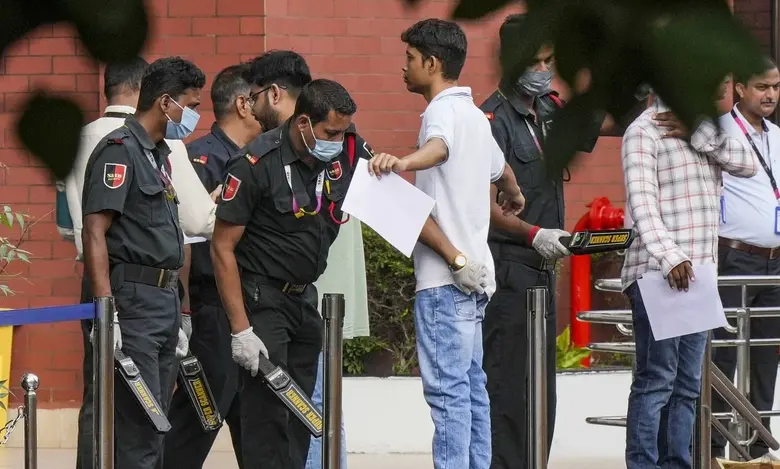
On Monday, a high-level meeting chaired by the Home Secretary brought together senior officials from multiple central agencies, including CRPF, CISF, the Railway Board, departments of school and higher education, posts, defence, health, and the NTA. Discussions focused on implementing robust security protocols for the re-examination.
The government has emphasized its commitment to conducting the NEET re-examination with the highest standards of security, transparency, and fairness, free from any irregularities. These measures are framed as necessary to maintain public order and safeguard the future of students depending on merit-based selection for medical education.
The temporary nature of the restrictions underscores a balanced approach: addressing immediate threats to examination integrity without permanent disruption to digital communication services. As the re-examination approaches, these steps signal a determined effort to restore confidence in one of India’s most important competitive examinations.