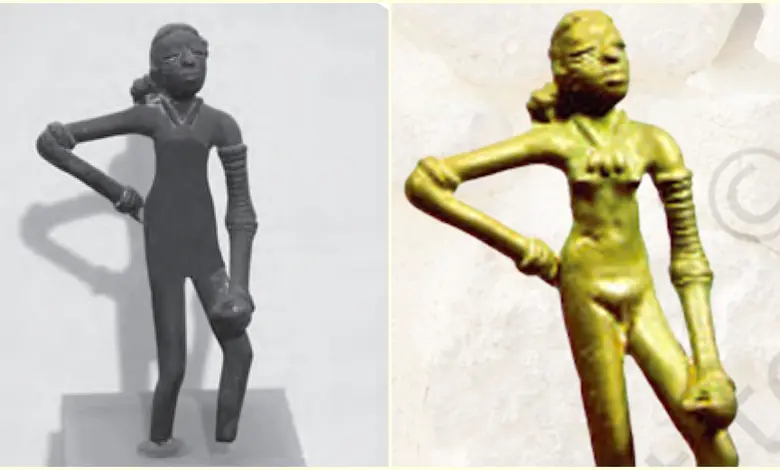
The National Council of Educational Research and Training has reversed an earlier decision to modify the image of the famous Dancing Girl bronze figurine from the Indus Valley Civilisation in its newly introduced Class 9 Arts Education textbook. The full original photograph will now replace the altered version that featured added shading across the torso.
This change will take effect immediately in the digital edition available on the official NCERT website. Printed copies not yet produced will incorporate the restored image, with the update fully reflected in hard copies starting next academic year. The figurine appears in the opening chapter on the history of arts in the textbook titled Madhurima.
The adjustment follows a review prompted by questions from the Education Ministry regarding the rationale for the modification. Officials noted that the unaltered photograph of the artefact is already used in the Class 6 Social Science textbook, raising concerns about the need for changes in material intended for older students.
In the previously published version, the image showed visual alterations, including shading that obscured certain anatomical details present in standard photographs of the Harappan-era sculpture. The modification had been implemented amid internal discussions about presenting the nude bronze figure appropriately, despite some reservations expressed during the process. Details on the exact approval and timing of the initial change remain unclear.
Following the review, the matter was examined by the Department of Arts Education and the relevant textbook committee. The decision was then taken to reinstate the original image to accurately represent the historical artefact.
ALSO READ : Hyderabad’s Water Tank School : Turning Hope Into Education
The Dancing Girl, a well-known artefact from the ancient Indus Valley Civilisation, holds significant cultural and historical value. Its depiction in educational materials has sparked debate over balancing authenticity with considerations of age-appropriateness for school students. Historian Michel Danino, who led the development committee for the new Class 6 Social Science books, had previously noted that the figurine was viewed by some as potentially unsuitable for certain age groups due to its form.
This development highlights ongoing efforts to ensure educational content reflects both historical accuracy and sensitivity to the student audience. The restoration ensures that the textbook presents the iconic sculpture in its authentic form as documented in archaeological records.
-

-

-

-