
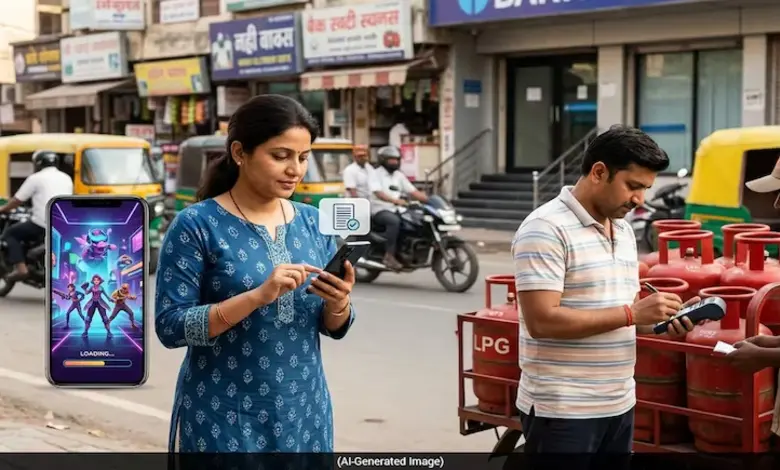
From May 1, 2026, several significant regulatory updates will take effect across India, affecting online gamers, LPG consumers, and everyday digital interactions. These measures aim to introduce structured oversight in key sectors while tightening compliance norms.
In one of the most notable developments, the Online Gaming Rules 2026 will come into force, backed by the Promotion and Regulation of Online Gaming Act, 2025. According to an official release from the Press Information Bureau (PIB), the rules establish the Online Gaming Authority of India (OGAI) as a dedicated body to regulate, classify, and supervise online gaming activities. The primary goal is to safeguard users from potential financial losses and psychological harm associated with excessive or unregulated gaming.
The new framework categorizes games into three broad segments: Online Money Games, Online Social Games, and E-sports. Platforms classified as high-risk or high-value will require mandatory registration. Among the key user protection features are enforced age verification, parental control options, session time limits, and mechanisms to ensure fair play. Authorities will also monitor financial transactions within these platforms to curb misuse and fraudulent activities.
ALSO READ : May Bank Holidays: Complete List of Closure Dates




Importantly, the rules extend to all operators targeting Indian users. Foreign-based gaming companies will no longer be exempt from Indian jurisdiction; any platform serving customers in the country must adhere to domestic regulations irrespective of its headquarters location.
On the domestic front, changes are anticipated in the liquefied petroleum gas (LPG) sector. Industry sources indicate that cooking gas prices could see a revision influenced by international crude oil and market fluctuations. Additionally, stricter verification protocols, including Aadhaar-based eKYC updates, and enhanced delivery monitoring systems are expected to be rolled out. Households that fail to complete the necessary verification processes may encounter interruptions in their LPG supply, as per media reports.
These upcoming changes reflect a broader push toward greater transparency, user safety, and regulatory compliance in both digital and essential services. While some measures may involve additional steps for consumers and businesses alike, officials maintain that the long-term outcome will be a more secure and accountable environment.
Citizens are encouraged to monitor official government notifications and complete any pending formalities promptly to ensure uninterrupted access to services. The simultaneous implementation of these rules marks a coordinated effort to modernize oversight in rapidly evolving sectors.