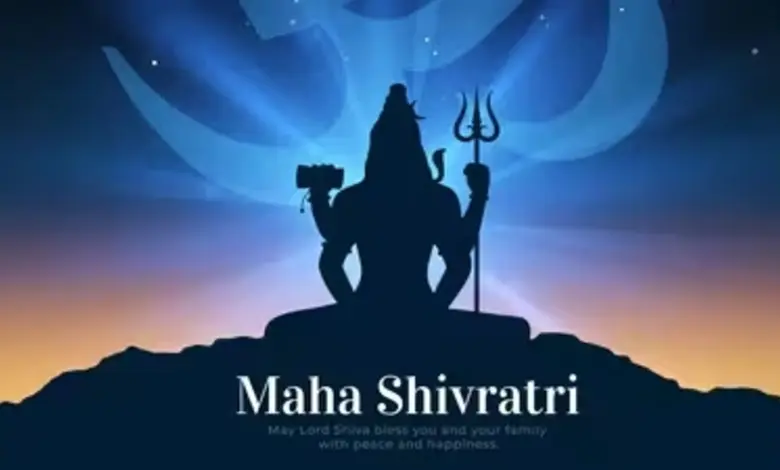
Mahashivratri stands as one of Hinduism’s most revered festivals, honouring Lord Shiva through devotion, austerity, and prayer. This year, the occasion falls on Sunday, February 15, 2026, as determined by traditional Hindu panchangs.
The festival commemorates the celestial union of Lord Shiva and Goddess Parvati, as well as the moment Shiva manifested as the radiant Jyotirlinga to demonstrate his boundless form.
Devotees mark the event with an all-night vigil, structured into four prahars (watches):
- First Prahar: 6:01 pm to 9:09 pm on February 15
- Second Prahar: 9:09 pm on February 15 to 12:17 am on February 16
- Third Prahar: 12:17 am to 3:25 am on February 16
- Fourth Prahar: 3:25 am to 6:33 am on February 16
The Nishith Kaal – widely regarded as the most potent window for worship – occurs between 11:52 pm and 12:42 am during the transition from February 15 to 16.
Observances begin with an early morning bath, followed by temple visits or home rituals. Many undertake a rigorous fast throughout the day, abstaining from grains while consuming fruits, milk, or simple sattvik foods. The Shiva Linga receives special adornments of fresh flowers and bel (bael) leaves, with offerings including milk, honey, fruits, sweets, ghee, and – in certain traditions – bhaang, a preparation linked to Shiva’s ascetic persona.
Throughout the night, participants stay awake, lighting oil lamps, reciting mantras, and performing abhishekam (ritual bathing of the linga). In various regions, temples organise vibrant processions featuring images of Shiva and Parvati carried in decorated palanquins.
The fast typically concludes on February 16 after morning prayers, with a light, vegetarian meal to restore energy while preserving spiritual purity.
Mahashivratri emphasises introspection, self-discipline, and surrender to Shiva’s divine energy, drawing millions of followers to temples and sacred sites across India each year.
-
-
-

-