
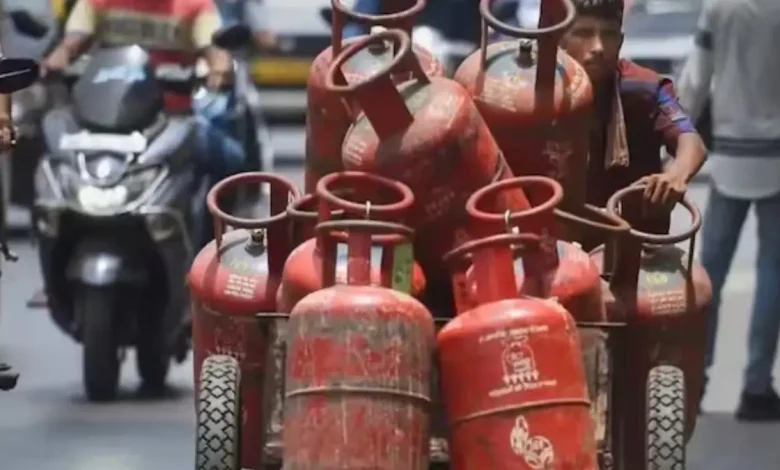
Commercial LPG cylinder prices were raised once again from June 1, placing additional financial strain on restaurants, hotels, caterers, and small businesses that rely heavily on cooking gas.
In Delhi, the price of a 19-kg commercial LPG cylinder increased by Rs 42, bringing the new retail price to Rs 3,113.50. In Kolkata, the hike was steeper at Rs 53.50, pushing the cost to Rs 3,255.50 per cylinder. Prices for 5-kg Free Trade LPG (FTL) cylinders also rose by Rs 11, with Delhi seeing them now priced at Rs 821.50. Domestic LPG cylinder rates, however, remained unchanged.
This latest adjustment continues a sharp upward trend observed throughout the year. In Delhi, a 19-kg commercial cylinder was available for Rs 1,691.50 in January. Successive increases including Rs 49 in February, Rs 115 in March, and a significant jump of Rs 993 in April have nearly doubled the cost within five months.
The price revisions are not confined to Delhi and Kolkata. In Mumbai, the 19-kg cylinder now costs Rs 3,024.50, while Chennai stands at Rs 3,232. Hyderabad and Patna are among the highest at Rs 3,294 and Rs 3,322 respectively. These changes reflect broader pressures in the energy market rather than city-specific issues.




The hike follows a recent increase in Compressed Natural Gas (CNG) prices in Delhi and surrounding areas. CNG rates rose by Rs 2 per kg to Rs 83.09, marking the fourth increase in less than two weeks and a cumulative rise of Rs 6 per kg since mid-May. Petrol and diesel prices have also climbed in multiple rounds, with increases of Rs 7.35 and Rs 7.53 per litre respectively in recent weeks.
The primary driver behind the escalating commercial LPG prices is the disruption in global energy supply chains caused by the ongoing conflict involving Iran and tensions in the Middle East region. India, which sources a substantial portion of its crude oil, natural gas, and LPG from the Gulf, has faced challenges in securing adequate LPG supplies despite finding alternatives for other fuels. Commercial users have been particularly affected by these constraints.
ALSO READ : Could This Pune-Made Innovation End India’s LPG Dependence?
In response to the supply risks, the petroleum ministry has directed state-run oil marketing companies Indian Oil Corporation, Bharat Petroleum Corporation, and Hindustan Petroleum Corporation to develop plans for maintaining LPG stocks sufficient for at least 30 days of demand. Efforts are also underway to expand crude oil storage capacity to bolster the country’s energy security.
For businesses dependent on commercial LPG, these repeated price increases represent a significant rise in operational costs. Many may need to either absorb the impact on their margins or transfer the higher expenses to consumers, potentially contributing to broader inflationary effects in the food and services sector amid persistent global energy market uncertainties