
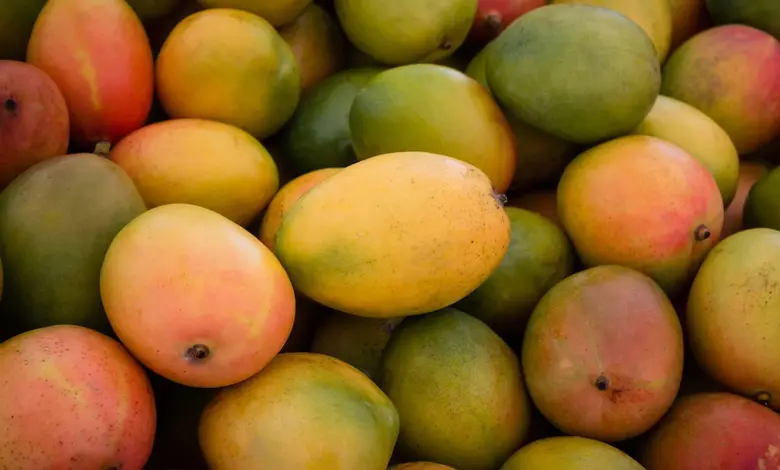
India’s mango export sector has suffered a major setback after Japan suspended imports of fresh mangoes from the country for the current season. The development marks the first such disruption since Japan reopened its market to Indian mangoes in 2006 following a ban that lasted nearly 20 years.
According to reports by News18 and other media outlets, Japanese quarantine authorities identified shortcomings in fumigation and disinfection measures at Indian treatment facilities during an inspection conducted earlier this year. The decision has affected exports of popular Indian mango varieties including Alphonso, Kesar, Langra and Banganapalli.
Concerns Raised During Inspection
Japanese plant quarantine officials reportedly visited Indian treatment centres in March and found deficiencies in operational and structural standards linked to pest-control procedures. Following the inspection, authorities decided to suspend the import of fresh mangoes carrying inspection certificates issued after March 25, 2026.
Reports from The Economic Times stated that the Yokohama Plant Protection Association informed exporters that shipments certified after the specified date would not be accepted in Japan.




The issue is linked to Japan’s strict plant quarantine rules, especially concerning fruit flies and pest contamination. Japanese authorities maintain rigorous import standards to prevent invasive pests from entering the country’s agricultural ecosystem.
A Blow to Premium Mango Exports
The suspension has disrupted India’s mango exports during the crucial April-to-June season, which is considered the peak export window. Exporters dealing in premium mango varieties are expected to face financial losses as Japan remains one of the important high-value international markets for Indian mangoes.
Industry sources quoted in media reports said the timing of the suspension has worsened existing challenges, including rising air freight costs and weather-related crop concerns.
Trade Relationship Faces Fresh Uncertainty
India resumed mango exports to Japan in 2006 after years of negotiations between the two countries. At the time, the Japanese government had lifted the earlier ban under agreed quarantine protocols, including vapor heat treatment processes for Indian mangoes.
The reopening of trade was considered an important step in strengthening agricultural ties between India and Japan. However, the latest suspension has once again raised concerns over compliance standards and export procedures.
According to reports, there is currently no official timeline for when the ban may be lifted. Authorities are expected to review the situation after India addresses the issues highlighted during the inspection process.
Why Japan Is Strict About Mango Imports
Japan is known for maintaining some of the world’s toughest plant quarantine standards. Historical concerns over fruit fly infestations have shaped the country’s strict agricultural import regulations for decades.
The Japanese government has previously stated that it handles fruit fly-related risks cautiously due to past experiences with pest outbreaks that caused major agricultural damage.
For India, which is among the world’s largest mango producers, the Japanese market remains significant despite relatively smaller export volumes compared to domestic consumption.
As exporters await further clarity, the suspension has become another reminder of the importance of maintaining international phytosanitary standards in agricultural trade.
Also Read: Young Gujarati Student Stabbed to Death in Canada’s Niagara Region