
India Tells UN Security Council That Pakistan Sheltered 9/11 Plotters and Continues to Support Terror Groups
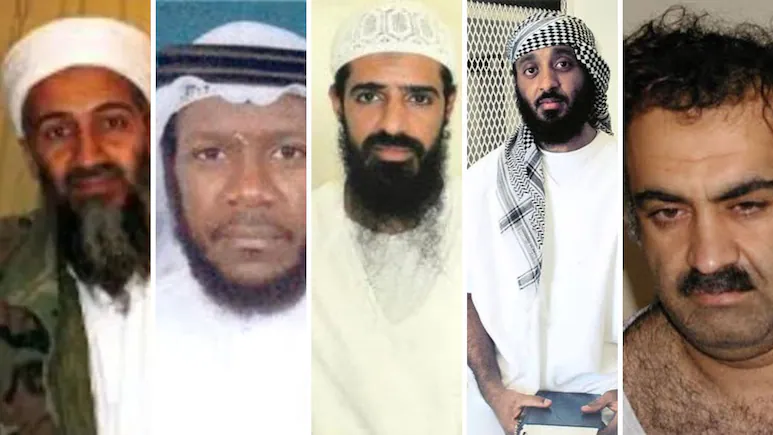
India delivered a strong statement at the UN Security Council meeting on Afghanistan, asserting that key figures behind the September 11, 2001 attacks found shelter in settled communities rather than remote areas, and that a permissive environment continues to support groups such as Lashkar-e-Taiba and Jaish-e-Mohammed.
India’s Permanent Representative Harish Parvathaneni recalled that the international community united against terrorism after the attacks. He noted that al-Qaeda’s network established strategic depth beyond Afghanistan through its affiliates. Listing several leaders linked to the plot, he said Osama bin Laden was located and killed in a fortified compound within a settled community, while Khalid Sheikh Mohammed was found in an ordinary residential house. Ramzi Binalshibh was sheltering in an urban centre, and other senior operatives involved in selecting hijackers or providing financial and logistical support were also captured under similar circumstances.
Parvathaneni emphasised that these individuals were not hiding in caves or ungoverned frontiers but had long evaded detection in populated areas. He argued that the same environment that sheltered the architects of the attacks has continued to provide space, support and impunity to affiliates that adopt different identities to avoid sanctions. He called on the international community to address this continuity of sanctuary so that such threats are not imposed on any country or its citizens.
The envoy also highlighted the situation of Afghan returnees, citing figures of 2.9 million returned in 2025 and another 1.15 million by late August 2026, most involuntarily. He described the scale of forced returns as neither safe nor dignified and noted the limited international response compared with similar situations elsewhere. India stated it is working with UN agencies and Afghan authorities to supply housing, food and other essentials, while insisting that returns must remain voluntary, safe and dignified.




India further condemned disruptions to trade and transit affecting Afghanistan, describing them as contrary to relevant international declarations, trade norms, the UN Charter and basic humanitarian principles.
The statement linked the legacy of the 9/11 attacks to ongoing concerns over terrorist sanctuaries while urging greater attention to the humanitarian challenges facing Afghan returnees.