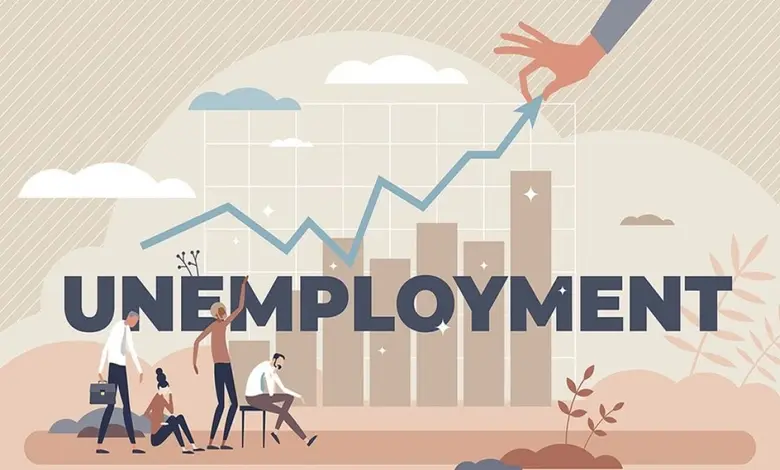
The promise of higher education created a generation of graduates. The economy has not created enough opportunities to match it.For more than two decades, India sold a powerful dream to its young population: study hard, earn a degree, and a better future would follow.
Families invested savings, students took loans, and governments expanded colleges and universities across the country. Higher education became the accepted path to social mobility. A degree was no longer a luxury it was viewed as a necessity.
Today, that promise is facing its biggest test.
India has more graduates than ever before, but millions of degree holders are struggling to find jobs that match their education. While overall unemployment remains relatively low, unemployment among graduates is significantly higher, exposing a widening gap between education and employment. Recent labour data shows graduate unemployment at over 11%, more than three times the national unemployment rate. Meanwhile, young graduates continue to face some of the toughest conditions in the job market.
How India Built a Degree Economy
The story began with a massive expansion of higher education.Between 2014-15 and 2021-22, India’s Gross Enrolment Ratio in higher education increased from 23.7% to 28.4%, while the number of higher education institutions grew substantially. Policymakers viewed education as the key to transforming India’s demographic advantage into economic growth. The National Education Policy and other reforms aimed to push even more students into colleges and universities.
The logic appeared sound.
India’s economy was growing. Global companies were outsourcing work to Indian cities. Engineering, management, commerce, and technology degrees became highly sought after. Parents believed that a college degree would guarantee stability and a middle class life.As a result, millions entered higher education every year.
The Reality After Graduation
The challenge emerged when graduates entered the workforce.While the number of degree holders surged, job creation in high quality formal sectors failed to keep pace. Many graduates discovered that employers were looking for skills they had never been taught.
The mismatch is now visible in national data.
According to findings highlighted in the Economic Survey 2024-25, only about 8.25% of graduates are employed in jobs that properly match their qualifications. More than half of graduates are working in elementary or semi-skilled roles that do not require the degrees they earned.
The problem is not simply unemployment.
For many young Indians, it is underemployment. A graduate may technically have a job but often works in roles unrelated to their education, offering limited career growth and lower wages than expected. The Skills Gap Problem Employers increasingly argue that the issue is not a lack of degrees but a lack of job ready skills.
A 2025 employability report found that only 42.6% of graduates were considered employable, down from previous years. Companies reported gaps in communication, problem solving, digital literacy, analytical thinking, and emerging technologies such as artificial intelligence and data analytics.
This has created a paradox.
India produces millions of graduates annually, yet employers in several sectors continue to report difficulty finding suitable talent.The result is a labour market where vacancies and unemployment can exist simultaneously.The Numbers Behind the Crisis
Recent studies paint a worrying picture.
The State of Working India 2026 report found that nearly 40% of graduates aged 15-25 remain unemployed, while unemployment among graduates aged 25-29 is around 20%. The report also noted that 67% of unemployed Indians.
ALSO READ: AI And Robots Will Replace All Jobs – Working Will Be Optional : Elon Musk
-
-

-
-