
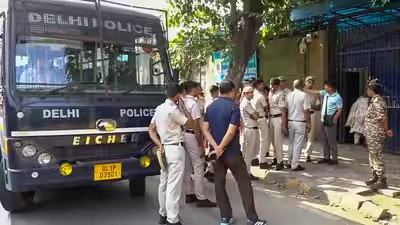
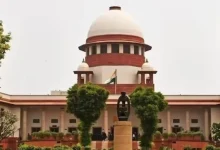
Delhi Police Commissioner Anurag Kumar on Thursday filed an affidavit in the Supreme Court explaining the decision to deny permission for a protest planned at Jantar Mantar on October 10.
The affidavit stated that permission was refused because of the large-scale violence that occurred during protests organised by the same group on July 20, the organisers’ inability to control their supporters, and the serious public inconvenience caused by a series of protests from October 6 to 8 that had already congested central Delhi for several days.
The commissioner highlighted the security sensitivity of the area, which houses the Rashtrapati Bhavan, Parliament, the Supreme Court, embassies and other key institutions. He said no police administration could allow a breach of public order in the national capital, especially when the call for protest came from an organisation with a recent history of mob violence and incidents that left several people injured.
According to the affidavit, the earlier marches had completely choked central Delhi, leading to prolonged traffic jams. Students and ordinary citizens were stuck for long hours and missed trains and flights. The gatherings were described as aggressive, with some individuals identifying as freelance journalists allegedly harassing policemen and miscreants misbehaving with women police personnel, resulting in injuries to more than a dozen officers.

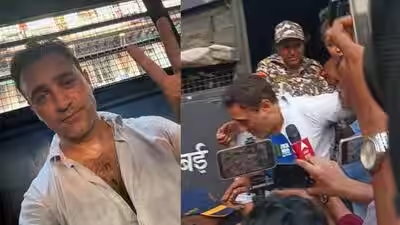

Despite the denial of permission, attempts were made to gather people illegally on October 10. Police removed those who assembled in areas under prohibitory orders, in line with Supreme Court guidelines. Some of those detained punctured the tyres of the buses in which they were being held and broke window shields.
The commissioner noted that the organisers had only sent an intimation rather than formally seeking permission. Preventive steps were taken on the basis of intelligence inputs indicating that people would still try to assemble and create a serious public order problem.
Those detained for violating the prohibitory orders were held in make-shift centres rather than police lock-ups, provided hot meals, and released after a few hours once the need for detention ended. Political leaders who were removed from the site were asked to sit in the chambers of station house officers and were offered tea, coffee, meals and other refreshments while the dignity of their offices was maintained.
The affidavit also addressed the temporary curbs imposed on metro services at 45 stations and related restrictions on roads and internet services, stating that these measures were taken in compliance with applicable directives to maintain public order.