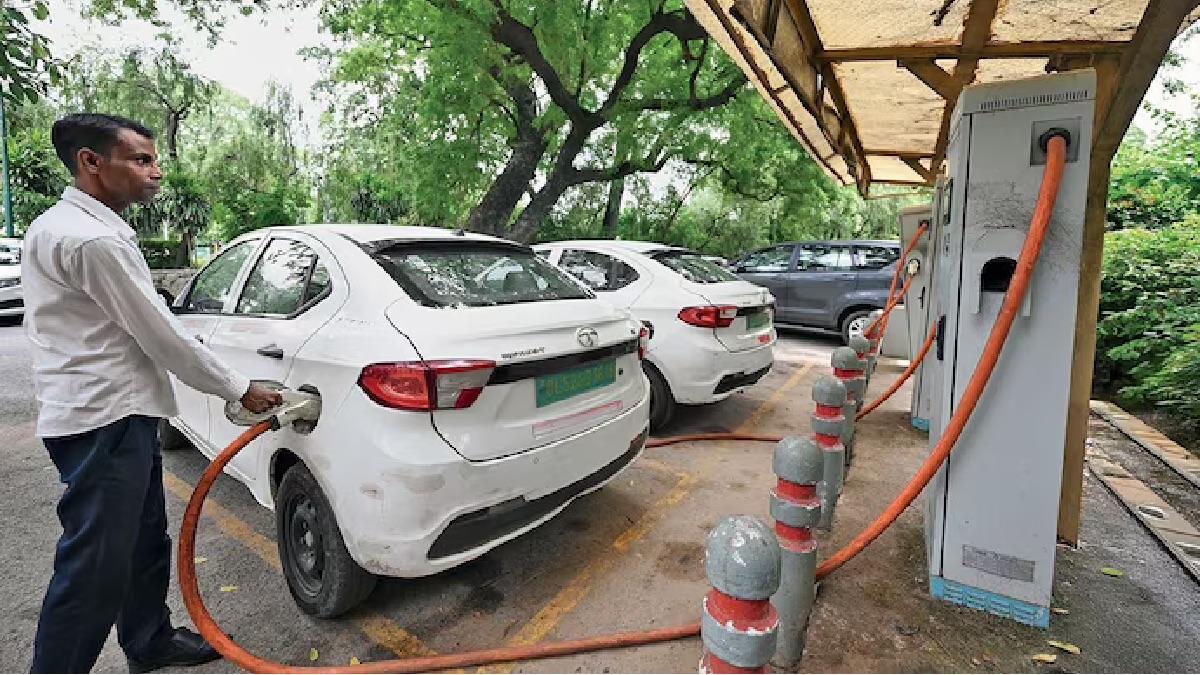
NEW DELHI: In a targeted effort to combat the severe air pollution that regularly chokes the national capital during winters, the Delhi Cabinet approved a comprehensive new Electric Vehicle (EV) Policy on Monday. Under the clean mobility framework, electric cars priced up to Rs 30 lakh will receive a complete exemption from both road tax and registration fees.
The sweeping policy also establishes firm deadlines to phase out traditional combustion-engine transit. From January 1, 2027, only electric autorickshaws will be permitted for new registration. Additionally, the registration of new petrol and CNG-powered two-wheelers will be completely halted in favour of electric models starting April 1, 2028.
Chief Minister Rekha Gupta confirmed that the drafted policy will now be sent to Lieutenant Governor Taranjit Singh Sandhu for formal approval. Once cleared, the regulations are scheduled to take effect on July 1 and remain in operation through March 31, 2030.
“This is truly a historic day. We aim to implement the Delhi EV Policy from July 1. Following the Lieutenant Governor’s approval, the policy will remain in effect until March 31, 2030,” CM Gupta stated following the Cabinet decision.
To accelerate adoption without imposing arbitrary limits, the government has structured a tiered purchase incentive program that covers two-wheelers, three-wheelers, four-wheelers, Gramin Seva vehicles, and N1-category trucks (light commercial vehicles with a maximum gross weight of 3,500 kg). There is no cap on the number of vehicles eligible for these subsidies.
Key Financial Incentives:
- Electric Two-Wheelers: Buyers will receive a subsidy of Rs 30,000 in the first year, decreasing to Rs 20,000 in the second year, and Rs 10,000 in the third year.
- Electric Three-Wheelers: Purchasers are eligible for incentives of Rs 50,000 in the first year, Rs 40,000 in the second, and Rs 30,000 in the third.
- Commercial Trucks: Buyers of N1-category electric trucks will be offered a direct purchase incentive of up to Rs 1 lakh.
- Scrappage Bonus: Owners of BS-IV or older four-wheelers will be granted a Rs 1 lakh incentive if they scrap their polluting vehicle and upgrade to an electric alternative.
Officials explicitly noted that hybrid vehicles are excluded from the subsidy framework, as the state is focusing its financial resources entirely on zero-emission transport.
Also Read:Maharashtra Extends Annual Monsoon Fishing Ban To August 15 Over Delayed Rain
To support this transition, the Delhi government expects to generate benefits and direct investments totalling Rs 15,000 crore over the next four years. Of this budget, approximately Rs 7,000 crore is earmarked for direct consumer incentives, while the remaining Rs 8,000 crore will fund tax concessions and the rapid expansion of EV charging infrastructure.
The state has already identified land to support its target of installing 32,000 charging points across the city. Furthermore, a dedicated online portal is currently in development to streamline the processing of all EV incentive applications. Officials emphasize that the policy’s multi-pronged approach will rapidly expand charging networks, promote essential vehicle scrapping, and ultimately curb vehicular pollution across the capital.
[With PTI Inputs]
-

-
-

-