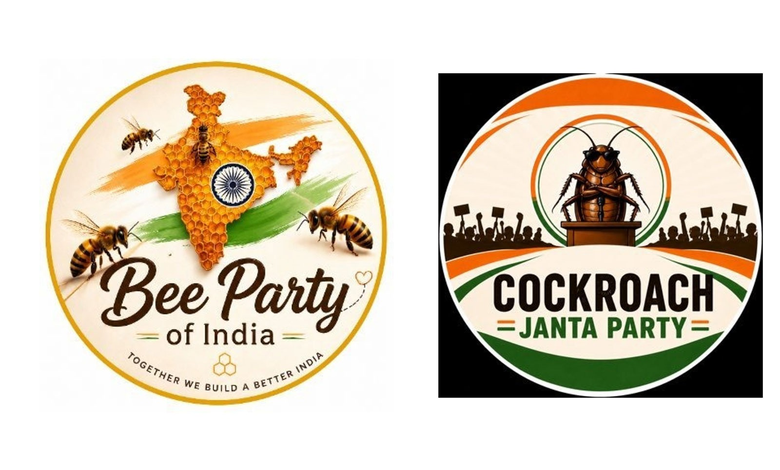
India is witnessing the rapid rise of unusual satirical political movements online, with groups such as the Cockroach Janata Party and Bee Party of India gaining massive attention across social media platforms. According to ANI, these internet-driven communities are using humour, memes, and satire to express public frustration over social, economic, and political issues.
The viral movements have particularly attracted younger audiences, especially Gen Z users, who are increasingly turning to online platforms to voice concerns about unemployment, inflation, governance, and digital culture. The trend has expanded rapidly through memes, parody posters, edited videos, and satirical political messaging shared widely on Instagram, X, and YouTube.
As reported by ANI, the Cockroach Janata Party emerged after controversial online discussions comparing unemployed youth to “cockroaches,” a remark that triggered outrage and widespread meme culture. The movement soon transformed into a broader digital campaign where users began expressing dissatisfaction with existing political narratives through satire and irony.
Similarly, the Bee Party of India has surfaced as another internet-driven satirical trend, using symbolic humour and online engagement to comment on current affairs and public sentiment. Both groups have become examples of how internet communities are blending comedy with political commentary in India’s digital landscape.
Several observers noted that these online trends reflect the changing nature of political engagement among younger Indians, where memes and viral content are increasingly becoming tools for expression and discussion. However, critics argue that such movements may sometimes oversimplify serious issues or reduce political conversations to social media trends.
The rise of these satirical groups has also sparked conversations about the influence of online activism and the growing role of digital culture in shaping public opinion. ANI reported that while these movements are largely symbolic and internet-centric, their popularity highlights how social media continues to redefine political communication in modern India.
Experts believe that the phenomenon demonstrates the growing intersection between politics, internet humour, and youth culture, where satire is increasingly being used as a form of protest and participation in public discourse.
-

-
-

-