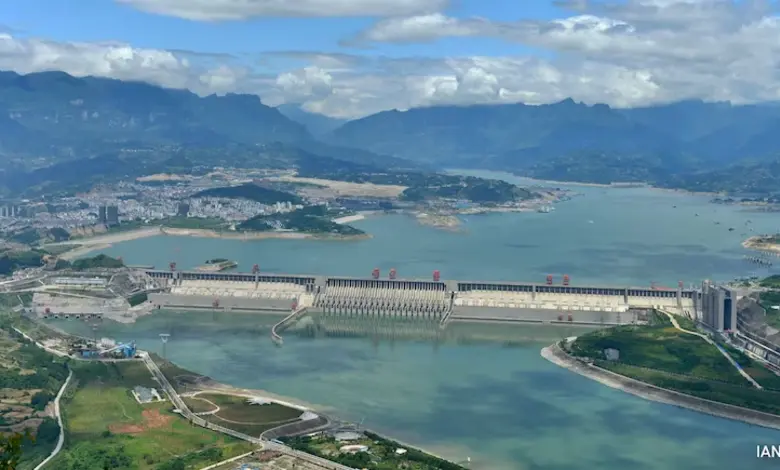
China is accelerating construction of what is set to become the world’s largest hydroelectric dam on the lower reaches of the Yarlung Tsangpo River in Tibet, located approximately 50 kilometres from the Indian border. This development has heightened apprehensions in New Delhi regarding potential effects on the shared river system.
The Yarlung Tsangpo originates in Tibet and enters India through Arunachal Pradesh, where it is known as the Siang River before merging into the Brahmaputra in Assam. This vital waterway supports millions of people across northeastern India, sustaining agriculture, ecosystems, and daily livelihoods.
Recent intelligence assessments and satellite observations indicate that work on the project has intensified in recent months. Indian authorities are closely tracking the initiative, viewing it as a significant component of broader hydropower development efforts in the region. Concerns focus primarily on downstream consequences, including disruptions to natural water flows, sediment movement, ecological balance, and flood dynamics in Indian territory.
Experts highlight that large-scale damming in the upper reaches could substantially alter the river’s behaviour further downstream. Such changes might affect water availability for irrigation and other uses, while also raising risks related to sediment deposition and unexpected flooding patterns. Beyond hydrological impacts, the dam introduces a strategic dimension: control over water releases could provide additional leverage during periods of bilateral tension.
Chinese authorities have stated that the project is designed solely for electricity generation and will not adversely affect downstream nations. Nevertheless, Indian officials remain vigilant. The government has monitored proposals for this dam since they first surfaced publicly in the 1980s and continues to assess developments carefully.
ALSO READ : 6.3 Magnitude Earthquake Hits China’s Qinghai Province, Aftershocks Trigger Alarm
India has consistently raised its concerns through diplomatic channels, including the Expert Level Mechanism on transboundary rivers established in 2006. Officials emphasise the importance of protecting downstream interests and have urged upstream activities to avoid harming life and livelihoods in lower riparian areas. The matter has also featured in high-level bilateral discussions.
In parallel with diplomatic efforts, India is strengthening its preparedness for potential downstream challenges, including enhanced monitoring and contingency planning to safeguard communities along the Brahmaputra. The project underscores the complexities of managing shared water resources between the two neighbours.
-

-

-

-