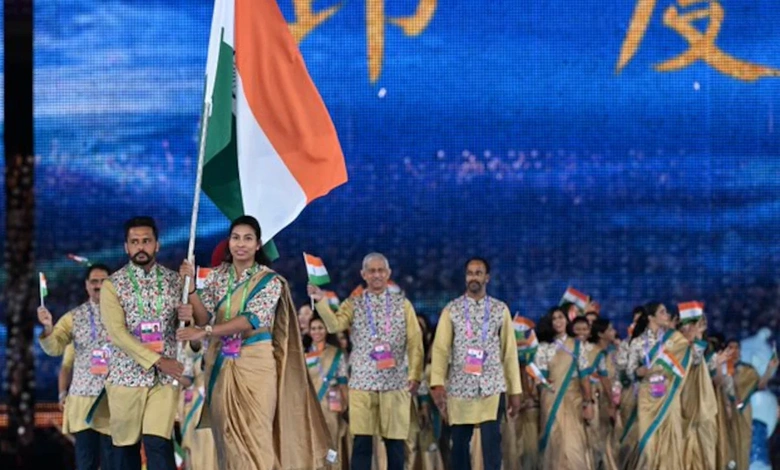
Reports indicate that the scheduling of the Asian Games could undergo a significant change, potentially altering the traditional four-year cycle to better align with the Olympic calendar. According to a report, the Olympic Council of Asia (OCA) is considering a proposal that would shift the Games to the year immediately preceding the Olympics.
If implemented, this adjustment would mark a major departure from the current system, where the Asian Games are held in even-numbered years between Olympic cycles. The proposed change is aimed at enhancing the role of the continental event as a preparatory and qualifying platform for the Olympics, thereby increasing its competitive relevance and appeal.
Under the suggested plan, the transition could begin with the Doha edition, originally scheduled for 2030, which may be postponed to 2031. This shift would have a cascading effect on subsequent editions, with the Riyadh Games, currently set for 2034, potentially moving to 2035.
ALSO READ : Biggest Burden: Each run by Nicholas Pooran has cost Lucknow ₹15 lakh!
Officials believe that repositioning the Asian Games closer to the Olympics would provide athletes with a more structured pathway for qualification and performance assessment. It could also elevate the standard of competition by ensuring that more elite athletes participate as part of their Olympic preparation.
The proposal has reportedly received approval from the OCA’s executive board and is now under discussion with international sports federations, whose cooperation would be crucial for integrating qualification systems.
Despite the potential changes, the upcoming 2026 Asian Games in Aichi-Nagoya, Japan, will remain unaffected and proceed as scheduled.
The Asian Games, one of the largest multi-sport events globally, have historically followed a fixed four-year cycle. However, evolving demands of the global sporting calendar and the growing importance of Olympic qualification pathways appear to be driving this reconsideration.
If approved, the restructuring could reshape how athletes and federations across Asia plan their competitive cycles, signalling a broader transformation in international sports scheduling.
-
-

-

-