
According to sources, the pilot in charge of the Air India flight from Phuket to Delhi, which was impacted by turbulence and caused injuries to multiple passengers, also failed a second dope test.
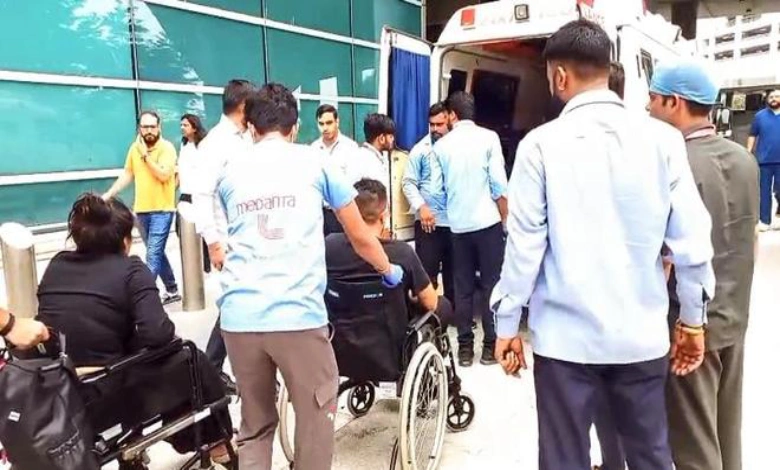
On August 4, while traveling from Phuket to Delhi with 137 passengers and eight crew members, AI-2379 encountered turbulence and abruptly lost 300 feet of altitude during its cruising phase. Four staff members and at least 20 passengers were hurt. According to Civil Aviation Minister Ram Mohan Naidu, two crew members suffered spinal injuries close to their necks and tailbones.
The pilot tested positive for psychoactive chemicals during the post-flight screening in Delhi, according to sources who spoke to the news outlet NDTV on Sunday. Sources reported on Tuesday that another test, which was carried out later, was again positive. In particular, the test verified that the pilot had smoked marijuana, or “weed.”
According to the reports recounting the sequence of events, the co-pilot was in command of the Airbus A320neo when it crashed 300 feet, either due to pilot action, a technical malfunction, or a hydraulic breakdown, and entered a “negative-G” scenario. The pilot was not in his seat. People who weren’t strapped in at the back of the aircraft sustained severe injuries when the pilot and everything in the cockpit floated up.



The Aircraft Accident Investigation Bureau (AAIB) has started looking into the incident, the Ministry of Civil Aviation announced in a statement later on Tuesday.
“All pertinent technical, operational, medical, and human-factor evidence is currently being methodically gathered, preserved, and examined by AAIB. Examining the aircraft and its systems, recorded flight data, pertinent operational and maintenance documents, medical data, and interviews with relevant parties are all included in this. Before any conclusions are made, all relevant evidence will be thoroughly reviewed, according to the ministry.
“Determining the circumstances and contributing elements associated with the occurrence and identifying suitable safety measures to prevent recurrence are the only goals of the investigation. No conclusions about the cause of the incident should be made from any single piece of information while the inquiry is ongoing since it is independent, evidence-based, and thorough,” it continued.
Also Read – Air India A320 Suffered Triple Hydraulic Failure, Autopilot Snag Before 300-Foot Altitude Drop: Report