
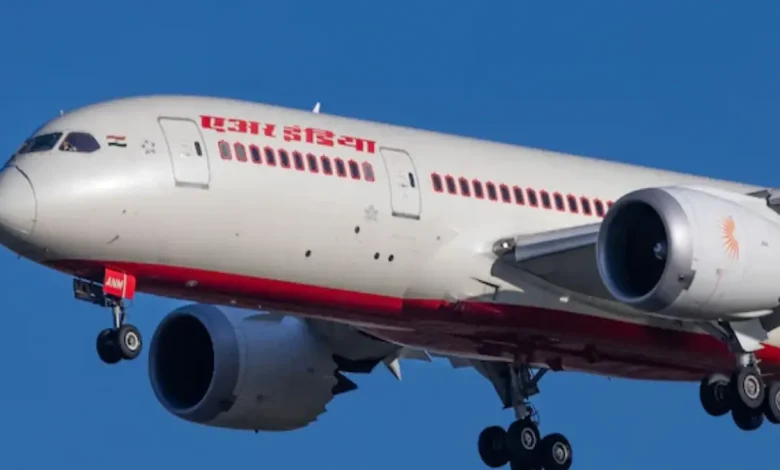
Amid escalating geopolitical conflict in the Middle East involving Iran, the United States, and Israel, Air India has approached India’s aviation regulator seeking temporary relaxations in pilot duty regulations. The Tata Group-owned airline cited the need to manage prolonged flight paths caused by restricted airspace, according to sources.
The carrier has requested exemptions from the Directorate General of Civil Aviation (DGCA) to allow certain long-haul operations to proceed with a standard two-pilot crew instead of the usual three-pilot augmented setup. It also seeks a modest increase in permitted flight time—extending the current 10-hour maximum by one hour and three minutes, potentially raising it to 11 or 11.5 hours. Additionally, Air India proposes extending the maximum Flight Duty Period (FDP) by one hour and 45 minutes, from 13 hours to 14 hours and 45 minutes.
These adjustments stem directly from the ongoing crisis in West Asia. Airspace closures and restrictions, particularly around the Strait of Hormuz, have triggered widespread route diversions for global carriers, including those from India. With Pakistani airspace already closed to Indian operators, flights to Europe and North America must now reroute over the Arabian Sea, Central Asia, or parts of Africa, significantly increasing block times and fuel burn while straining crew schedules.
ALSO READ : Iran Sets Three Firm Conditions for Ceasing Hostilities with US and Israel




The DGCA has designated the airspace of 11 Middle Eastern countries as high-risk, advising Indian airlines to steer clear. For Air India, bypassing Iranian and Iraqi territories has extended durations on key profitable international routes, contributing to multiple flight cancellations in recent days.
Government officials have confirmed that the airline’s proposal is under active review. Notably, while the industry’s challenges are similar, no comparable exemption request has been received from competitor IndiGo, sources indicated.
Air India did not provide a response when contacted by regarding the regulatory discussions, operational pressures, or potential implications for crew fatigue.
The developments highlight the broader challenges facing Indian aviation as carriers navigate safety mandates amid unpredictable regional tensions. The DGCA’s decision could set a precedent for handling such disruptions, balancing operational continuity with rigorous safety standards.