
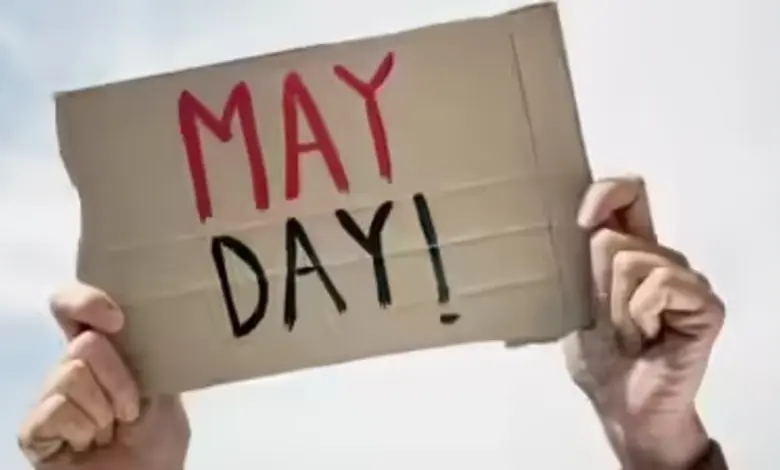
May Day, observed annually on May 1, remains a significant global occasion dedicated to recognising the contributions and rights of workers. The 2026 observance continues this long-standing tradition of acknowledging labourers and their role in shaping modern society.
The origins of May Day are deeply rooted in the labour movement of the late 19th century, when workers began organising protests to demand fair treatment and improved working conditions. A defining moment in this history was the 1886 labour protests in Chicago, particularly the Haymarket affair, which became a symbol of the struggle for workers’ rights and the demand for an eight-hour workday. These events ultimately led to May 1 being internationally recognised as a day to honour labour movements and their achievements.
May Day serves not only as a remembrance of past struggles but also as a reflection of ongoing efforts to ensure fair wages, safe workplaces, and dignity for workers. Over time, the day has evolved into a broader symbol of solidarity among workers across different sectors and countries.
Today, May Day is observed worldwide through a variety of activities. Many nations mark the occasion with rallies, parades, and demonstrations organised by labour unions and worker groups. These gatherings often highlight current issues affecting workers, including job security, workplace safety, and social justice. In addition to protests, cultural programmes, public speeches, and community events are also held to celebrate the contributions of the workforce.



In several countries, May Day is recognised as a public holiday, allowing workers to participate in these events and reflect on the progress made in labour rights. The day also provides an opportunity for governments, organisations, and individuals to reaffirm their commitment to creating fair and equitable working environments.
May Day 2026 continues to stand as both a tribute to the sacrifices of workers in the past and a reminder of the ongoing pursuit of justice and equality in workplaces worldwide.