
Will be Called Anti-National Again’: Diljit Dosanjh Backs CJP Protest After Students Face Lathi-Charge
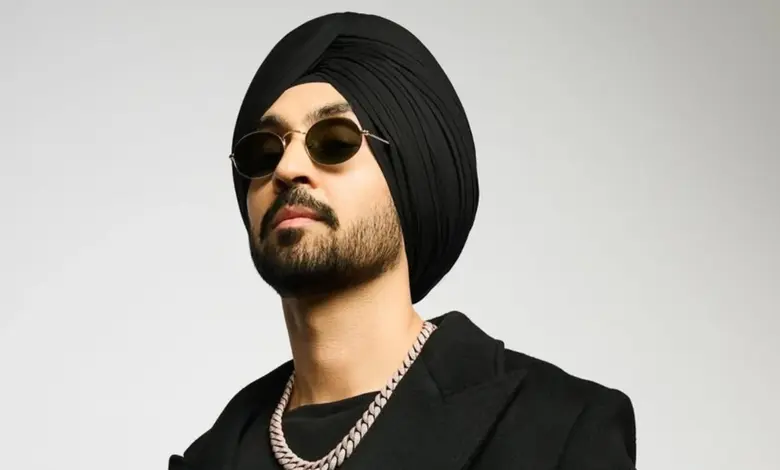
Punjabi superstar Diljit Dosanjh has sparked a fresh debate after extending support to student protesters associated with the Cockroach Janta Party (CJP) following a violent clash with police in Delhi. On Monday, July 20, security forces used lathi-charge and tear gas to disperse thousands of students and activists marching from Jantar Mantar towards Parliament during the Monsoon Session. The protest, demanding education reforms and action over alleged NEET irregularities and paper leaks, turned chaotic, with reports of injuries on both sides.
Taking to social media on Tuesday, Diljit expressed solidarity with the students, writing that they “shouldn’t have been treated this way.” In a poignant note, he acknowledged the potential backlash, stating, “Will be called anti-national again,” referencing the criticism and legal troubles he faced for supporting farmers during the 2020-21 protests. The actor-singer urged authorities to listen to the youth’s demands, adding in Punjabi, “Lokan di avaaz Rab di avaaz hundi aa” (The voice of the people is the voice of God).
The CJP-led agitation, prominently featuring climate activist Sonam Wangchuk, has been ongoing for weeks at Jantar Mantar. Protesters are seeking the resignation of Union Education Minister Dharmendra Pradhan, compensation for families of students who died by suicide amid exam-related stress, and systemic overhaul of the education sector. Wangchuk, on an indefinite fast, was hospitalized, adding emotional weight to the movement.
Diljit’s statement comes days after he reportedly distanced himself from the protest. His latest intervention has drawn mixed reactions — praise from students and opposition voices, and criticism from those accusing celebrities of selective activism. Delhi Police have denied excessive force, citing provocations and the need to maintain order near Parliament.

As student unrest grows over competitive exam irregularities, Dosanjh’s voice has amplified calls for dialogue. Whether his support translates into broader celebrity backing or political controversy remains to be seen. In a democracy, the right to peaceful protest remains central, even as questions over police response and underlying education failures continue to fuel national discourse.