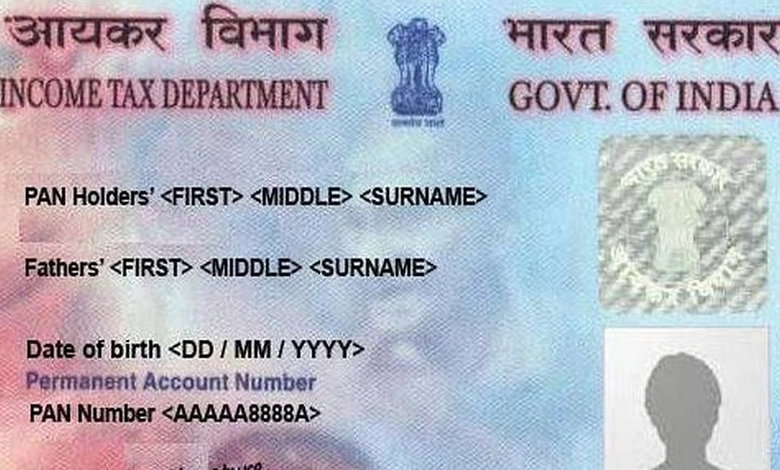
New Delhi : The government is considering substantial adjustments to how the Permanent Account Number (PAN) is used in reporting high-value financial transactions, according to draft rules aligned with the new Income-Tax Act, 2025. These proposals — open for feedback before finalisation — would raise the monetary limits at which PAN must be quoted, easing compliance for many taxpayers while shifting the focus to larger transactions.
Under the draft Income Tax Rules, 2026, cash deposits or withdrawals across a single financial year would require a PAN only if the total equals ₹10 lakh or more, replacing the current requirement for quoting PAN for daily deposits above ₹50,000.
For vehicle purchases, the revised rules propose that PAN must be provided only when the value of the motor vehicle, including motorcycles, exceeds ₹5 lakh. This contrasts with the existing threshold, which obliges PAN reporting on all four-wheeler purchases regardless of cost.
Also read : Mumbai Braces for a Warm Tuesday with Partly Cloudy Skies and Rising Heat
High-value payments to hotels, restaurants, event planners and similar services would also see the threshold rise to ₹1 lakh before PAN quoting becomes mandatory. Property transactions such as sales, purchases, gifts or joint development deals would require a PAN only if valued above ₹20 lakh, up from the current ₹10 lakh benchmark.
The draft rules extend PAN requirements for insurance relationships as well, mandating PAN for opening any account-based engagement with insurers, regardless of premium size.
Officials from the Central Board of Direct Taxes (CBDT) are expected to review input from stakeholders and issue final regulations, potentially by early March, ahead of the Income-Tax Act taking effect on April 1.
Proponents of the changes argue that higher thresholds will reduce compliance burdens for ordinary taxpayers and streamline reporting obligations, while the focus on substantial transactions may improve the relevance of collected data.
Also read : Gold And Silver Prices Today : Rates Rise Slightly After Recent Volatility
-

-
-

-