

Kishan Desai
(kddesai.creative@gmail.com)
We are living in an age where spending has become easier than saving—and borrowing has become easier than ever. Digital technology, credit cards and easy EMIs have transformed not only the way we buy, but also the way we think about money. The traditional Indian principle of “earn first and spend later” is steadily being replaced by a new consumption-driven mindset: “buy now, pay later.”
What appears to be convenience on the surface can, over time, become a silent cycle of debt. Today’s consumer is increasingly encouraged to purchase first and think about affordability later.
A powerful observation captures this mindset: “We buy things we don’t need with money we don’t have to impress people we don’t even like.”
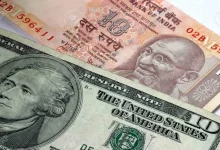


Behind this shift lies a sophisticated ecosystem of e-commerce platforms, lenders and financial institutions that has mastered the art of turning convenience into consumption and consumption into credit. Understanding how this system works is essential to understanding the financial pressures facing today’s consumer.
These attractive offers directly encourage impulse buying. In the past, people would generally think carefully and make purchases based on their actual needs. Today, however, a simple scroll through social media or an e-commerce app can lead consumers to instantly purchase something they happen to like.
Notifications, limited-time offers and digital timers displaying messages such as “Only 2 Left” create a sense of FOMO (Fear of Missing Out) among consumers. As a result, people may end up swiping their credit cards without giving sufficient thought to whether the purchase is necessary or financially sensible.
The consequences of such impulse purchases often emerge later in the form of regret and a substantial financial burden. A decision made in a moment of excitement can translate into EMI payments that continue for months, turning a seemingly small purchase into a prolonged financial commitment.
First, banks and digital platforms offer highly attractive schemes to draw consumers into spending. Advertisements promoting “No-Cost EMI,” “Zero Down Payment,” “Cashback Offers” and “Instant Discounts” are designed to appeal directly to consumer psychology.
Consider a customer looking to buy a smartphone priced at ₹50,000. Paying the entire amount upfront may seem expensive and may discourage the purchase. But when the same phone is presented as an EMI of ₹2,500 per month, the cost appears significantly smaller and more affordable. This changes the way consumers perceive the actual price of the product.
However, the apparent affordability of such schemes can sometimes be misleading. Depending on the offer, processing fees, interest charges and applicable taxes may add to the overall cost. Consumers may therefore focus on the low monthly payment rather than the total amount they will ultimately pay.
The deeper concern is that such offers can create the perception that consumers are saving money, when they may actually be bringing forward their future income to finance present consumption. In other words, the purchase may be affordable today only because part of tomorrow’s income has already been committed to paying for it.
This process does not remain limited to a one-time purchase. A key objective of the broader ecosystem is to turn easy credit and instalment-based consumption into a recurring habit. E-commerce and fintech companies increasingly use consumer behaviour and transaction patterns to offer personalised credit options, easier instalments and higher credit limits.
Credit cards can also reduce the psychological impact of spending because consumers do not physically hand over cash at the time of purchase. This reduces what behavioural economists describe as the “pain of paying”—the psychological discomfort associated with parting with money. When that friction is reduced, consumers may find it easier to make purchases they might otherwise reconsider.
Over time, repeated exposure to easy credit can encourage a greater dependence on borrowing for consumption. What begins with discretionary purchases can gradually extend to everyday expenses and lifestyle upgrades. Consumers may eventually find themselves relying increasingly on EMIs and credit cards to finance everything from routine needs to luxury products and services.
The financial risk lies in the accumulation of these seemingly manageable commitments. Individually, each EMI may appear affordable; collectively, however, they can consume a significant portion of monthly income and leave households with less room for savings, emergencies and long-term financial goals.
To reinforce this habit, digital platforms are increasingly monetising even the smallest transactions. Quick-commerce and food-delivery apps provide a clear example. In their early stages, many platforms attracted customers with free delivery, deep discounts and other incentives, encouraging consumers to become accustomed to the convenience of ordering from home.
Once this convenience becomes part of everyday life, additional charges can gradually enter the equation. Depending on the platform and order, customers may encounter platform fees, handling charges, surge pricing, delivery fees or high-demand charges. Each individual charge may appear insignificant, but repeated across multiple orders, these small expenses can add up to a substantial amount by the end of the month.
A similar dynamic can be seen in the credit-card ecosystem, where various fees and charges may be applied to transactions or accounts. Because these amounts are often relatively small when viewed individually, consumers may overlook their cumulative impact.
The broader lesson is that financial pressure does not always come from one large expense. It can also emerge from a series of small, recurring charges that gradually increase monthly spending. For consumers, tracking these seemingly minor expenses is therefore just as important as managing major purchases and EMIs.
The most significant concern is the amount of financial and behavioural data generated within today’s digital ecosystem. Banking apps, credit-reporting services and UPI-based payment platforms can have access to detailed information about a consumer’s financial activity, subject to applicable permissions, policies and regulations. This may include patterns related to income, transaction frequency, spending categories and payment behaviour.
For example, if a consumer regularly shops for groceries at the beginning of each month or spends more at restaurants over weekends, digital systems can identify such recurring patterns. Data-driven algorithms may then be used to personalise marketing messages, including targeted EMI offers, credit-card promotions or notifications about increased credit limits.
This level of personalisation can make financial products more convenient and relevant, but it can also encourage consumers to spend beyond their planned budgets. When offers arrive at precisely the moment a consumer is most likely to spend, the boundary between convenience and excessive consumption can become increasingly blurred.
The broader financial risk is that easy access to personalised credit may encourage households to commit future income to present consumption. Over time, repeated borrowing can create a cycle in which spending consistently outpaces savings and available income.
In conclusion, credit cards and EMIs are not inherently bad financial tools. When used responsibly and, where appropriate, for genuine needs or emergencies, they can provide valuable financial flexibility. The problem arises when easy credit becomes a permanent part of a household’s lifestyle and consumers begin using debt to maintain an appearance of financial prosperity.
Persistent dependence on borrowed money can gradually increase financial pressure, reduce savings and contribute to household instability. What may initially appear to be a convenient way to manage expenses can become a long-term financial commitment when multiple EMIs and credit-card balances accumulate.
In today’s increasingly digital and consumption-driven economy, genuine financial independence requires a conscious shift towards spending within one’s actual means. Breaking the cycle of unnecessary EMIs, controlling discretionary spending and rebuilding a culture of saving and financial discipline are essential steps towards healthier personal finances.
The real measure of financial prosperity is not how much a person can buy on credit, but how much financial security they can build without depending on debt.
Read Also : Gen Z : A New Driving Force For India’s Economy?