
US Secretary of State Marco Rubio Begins Three-Day India Visit, to Honour 26/11 Victims
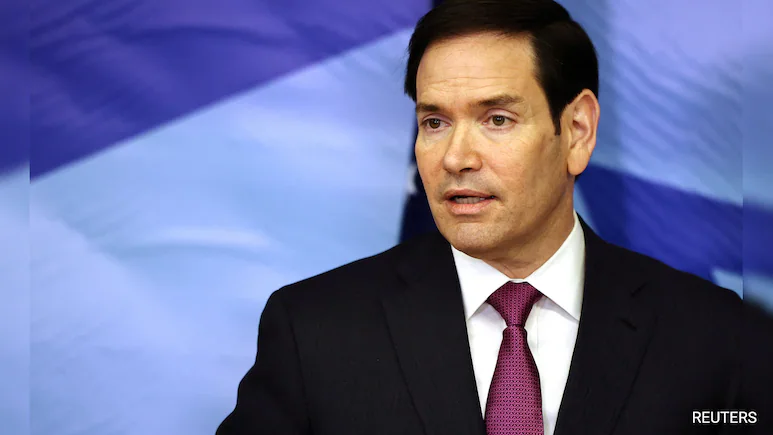
US Secretary of State Marco Rubio arrives in India on Tuesday for a three-day visit aimed at strengthening bilateral cooperation in energy, trade and investment, defence and critical technologies, while also exchanging views on the situation in West Asia.
This is Rubio’s second trip to India this year. During his earlier visit in May, he held talks with Prime Minister Narendra Modi and External Affairs Minister S. Jaishankar and attended a Quad foreign ministers’ meeting. He is expected to be accompanied by a large business delegation.
According to the Ministry of External Affairs, Rubio is scheduled to land at Chhatrapati Shivaji Maharaj International Airport in Mumbai at 2:15 pm. In the afternoon he will meet Jaishankar to discuss ways to further strengthen the India-US Comprehensive Global Strategic Partnership.
Rubio’s Mumbai engagements also include laying a wreath at the Taj memorial to honour the victims of the 26/11 terror attacks, which claimed more than 160 lives, including six US nationals. He will attend a reception marking the 250th anniversary of American independence.



Discussions are expected to cover energy, trade and investment, defence, critical and emerging technologies, the proposed bilateral trade deal and developments in West Asia. On Wednesday, Rubio will travel to Jamnagar in Gujarat.
Ahead of the visit, Rubio stated that the United States is “very close” to finalising a trade agreement with India and indicated that national security waivers, including those related to Russian oil purchases, form part of the considerations. Talks on the proposed trade pact have been under way since early 2025 with the aim of addressing tariff issues, non-tariff barriers and improving market access. India has sought more favourable tariff treatment for its goods. External Affairs Minister Jaishankar recently noted that the discussions are nearing a “landing point.”
The visit takes place against a backdrop of recent strains in bilateral relations stemming from tariff measures, immigration policy changes, higher H-1B visa fees and restrictions affecting green-card processing for major Indian IT companies.