
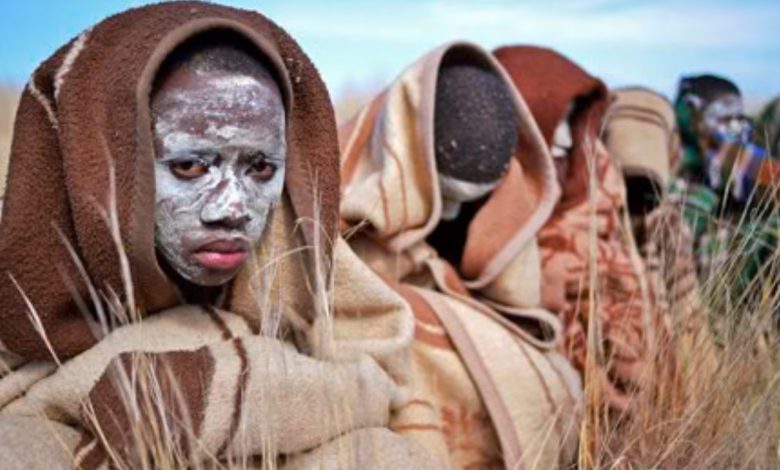
A tribal initiation ceremony in South Africa, where teenage boys are circumcised, has left 43 boys dead and dozens more mutilated. The centuries-old ritual routinely causes deaths and injuries despite intense government campaigns and law enforcement crackdowns. The circumcisions are often performed at illicit traditional camps by unqualified operators who use unsterilised razor blades and spears.
About the Ulwaluko Ritual
The ritual is practised by the Xhosa ethnic group and is known as Ulwaluko. Young boys spend nearly a month at bush camps where the circumcisions are performed. Professional surgeons ensure proper hygiene while carrying out the procedure. However, untrained operators have also entered the practice and do not follow basic protocols, creating a major health crisis linked to the ritual.
Deaths Distribution Across South Africa
According to data from the Department of Cooperative Governance and Traditional Affairs, 36 deaths were recorded in the Eastern Cape province, while the rest were reported from North West and Western Cape. In 2025, 93 boys lost their lives. In comparison, fatalities have dropped this year. However, the government had been aiming for “zero deaths” in 2026, a target it has failed to meet.
A Decade of Amputations and Criticism
Over the last decade, gangrene and infection have led to more than 1,000 penile amputations linked to the practice. Critics have slammed the government for failing to track down these camps, most of which are located in rural areas. Congress of Traditional Leaders of South Africa (Contralesa) spokesperson Xolile Ndevu said the deaths should be declared a “national disaster.”


Also Read:One Indian Among 12 Killed After Russia Strikes Ukraine
Political Blame Game
Meanwhile, Eastern Cape spokesperson Mamkeli Ngam said the government is not responsible, adding that “it’s a family issue, a parental issue and a community issue working hand-in-hand with traditional leaders.” Communities such as the Bukusu and Maasai also practise male circumcision in other parts of Africa. However, authorities there have largely succeeded in integrating clinical oversight into traditional ceremonies.