
Headteacher’s Quick Decision Saves Hundreds of Students from Nepal Flash Flood
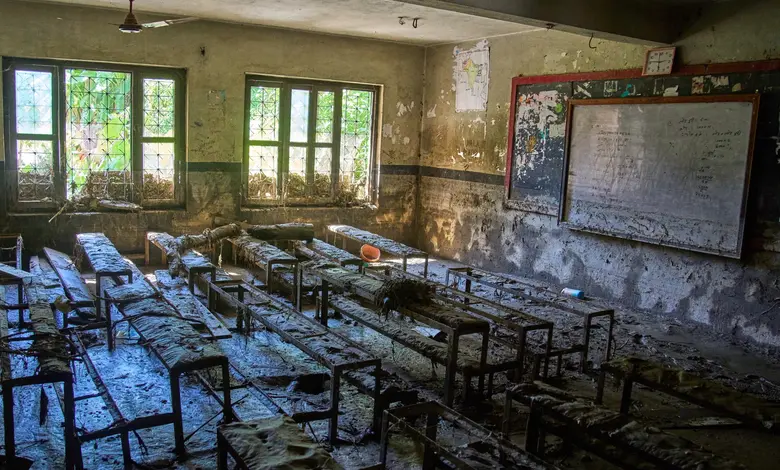
A school principal in Nepal acted with urgency to evacuate nearly 900 children just moments before a powerful flash flood devastated their town. Rajendra Dawadi, headteacher at Tribhuvan Trishuli secondary school in Nuwakot, received multiple urgent warnings and ordered an immediate halt to classes, directing students to higher ground.
The school serves about 1,600 pupils. Within minutes, Dawadi received four separate alerts, including one from Betrawati, a community located upstream. He determined that delaying action was not an option, noting that even if the flood did not arrive, missing a single day of classes was preferable to risking lives.
During the evacuation, Dawadi witnessed a hostel building roughly 100 metres from the river being swallowed by the surging water and debris. He later reflected that a delay of just ten minutes would have left the entire group students and staff unable to survive.
One student, 16-year-old Yunisha, described how she and her classmates escaped with only seconds to spare. They ran up a muddy path as water and debris flooded the area. She watched the local market being swept away and was reunited with her family three days later.


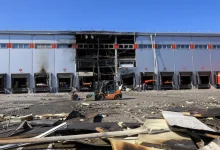

The broader disaster has caused extensive damage to education facilities. At least 69 schools were destroyed or damaged, affecting nearly 19,000 children. In the hard-hit Dhading district, some students survived simply by leaving classrooms for their lunch break. In other cases, teachers quickly instructed children to abandon bags and lunch boxes and evacuate, enabling them to escape before the waters arrived.
Rescue efforts have brought more than 3,700 people to safety. Authorities reported that 2,502 individuals, including 592 foreigners, remained out of contact, while the confirmed death toll stood at 781.
The flooding was triggered by a glacial collapse near the Nepal-Tibet border in the Himalayas, sending a massive wave of water and debris downstream. Nepal’s foreign minister has emphasized the need for a coordinated global response to climate challenges, pointing out that the country has suffered disproportionately despite contributing only a small share of global fossil fuel emissions.
Dawadi’s decisive action stands as a critical example of how rapid local decisions can protect lives amid sudden natural disasters.