
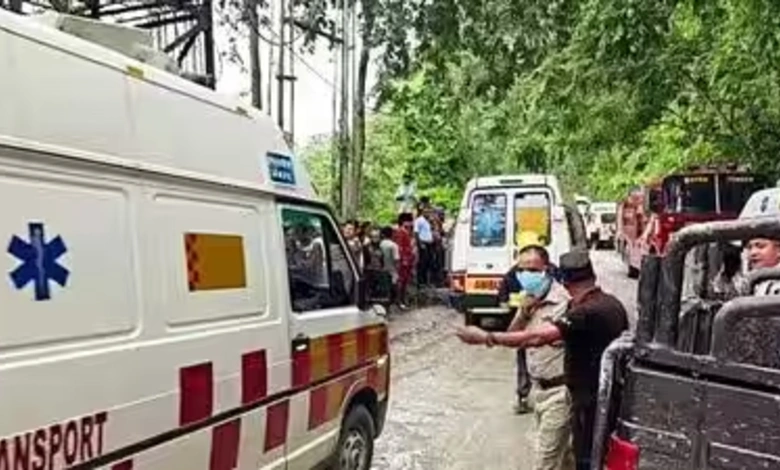
A landslide triggered a collapse at an under-construction tunnel in Sikkim’s Namchi district on Monday, resulting in at least seven fatalities. Several workers remain feared trapped inside the Samardung tunnel in the Jholungey area, as rescue teams continue intensive operations to reach those affected.
Authorities have confirmed seven deaths so far, with the bodies transferred to hospitals in Singtam, Gangtok, and Namchi for further procedures. The exact number of individuals still inside the tunnel has not been definitively established, though estimates suggest around 27 workers may be trapped. Officials noted that full details would become clearer once specialised response teams complete their initial assessment of conditions within the site.
Rescue efforts involve coordination between the district administration, National Disaster Response Force, State Disaster Response Force, police, fire services, health department, and other supporting agencies. The Sikkim State Disaster Management Authority is overseeing the situation and providing regular updates as information emerges.

A post shared by Mumbai Samachar English (@mumbaisamacharenglish)



The incident occurred in the afternoon following a suspected gas leak inside the tunnel, which compounded the challenges posed by the landslide blocking the entrance. Investigations into the precise cause of the collapse are ongoing.
The tunnel project forms part of infrastructure development in the region. Such incidents underscore the risks associated with construction in geologically sensitive Himalayan areas, where landslides and structural challenges can arise suddenly. Local officials have urged caution and are focusing resources on locating and safely extracting any surviving workers.
As operations proceed, families of those involved await further news amid the difficult circumstances. The event has drawn attention to safety protocols in major infrastructure projects across challenging terrains. Continued monitoring and support from emergency services remain critical in the hours ahead.