
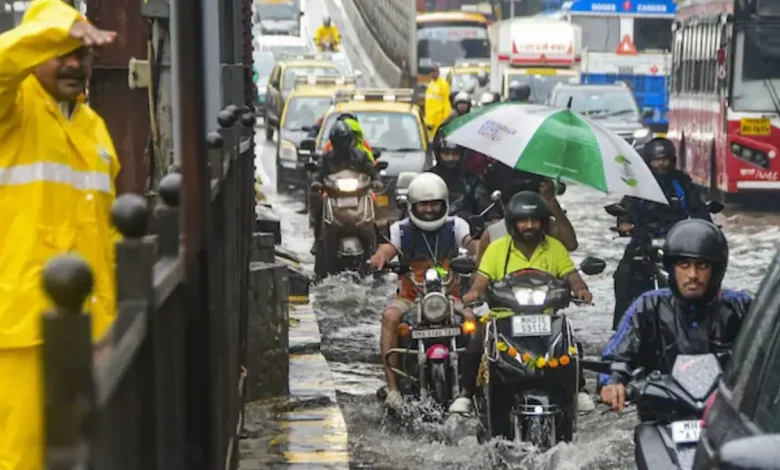
Mumbai : If rain alone could fill reservoirs, Mumbai would have enough water for the next three summers. But that is not how things work. On Wednesday morning, people in Mumbai had to walk through flooded roads to reach work. The Andheri subway was full of water. Traffic moved very slowly on the Western Express Highway. Several parts of the city received more than 100 mm of rain in just 24 hours, according to the India Meteorological Department (IMD).
But even as roads were flooded, another serious problem remained. The lakes and reservoirs that supply drinking water to Mumbai had less than 7% of their live storage left as of June 29. This is Mumbai’s monsoon irony. On one side, the city looks flooded. On the other, it is still worried about running out of drinking water. The reason is simple: the rainwater that floods Mumbai’s roads and the water that fills the city’s reservoirs do not always move in the same way or at the same speed.
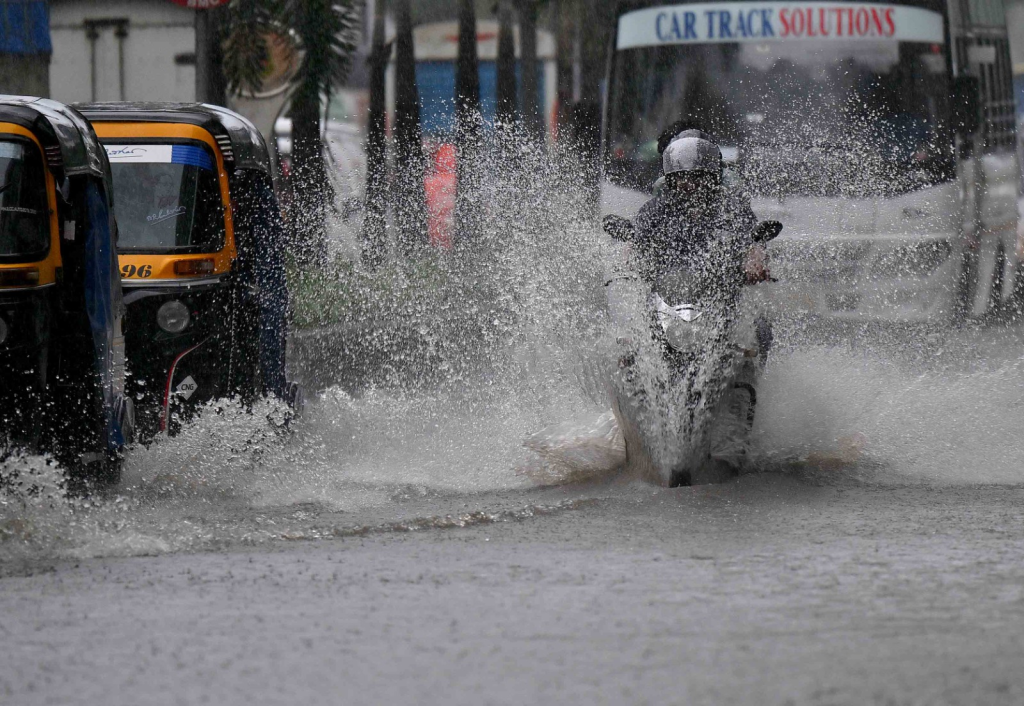
Mumbai saw one of its first heavy spells of monsoon rain on Wednesday, with many low-lying areas going underwater. But just two days earlier, the Brihanmumbai Municipal Corporation (BMC) said the city’s seven reservoirs had only 6.93% of their live storage left. At the same time last year, that number was 39.5%. Every monsoon, Mumbai shows that flooding and water shortage can happen at the same time. The roads that are flooded this week are because of heavy rain inside the city.
But the reservoirs that store drinking water fill in a different way. Mumbai gets its water from seven lakes — Bhatsa, Upper Vaitarna, Modak Sagar, Tansa, Middle Vaitarna, Tulsi and Vihar. These lakes collect rainwater over time from their catchment areas, and that water slowly flows into the reservoirs. This process is much slower than the flooding of roads and subways. Reservoirs do not fill up after one heavy spell of rain. They fill gradually during the four months of the monsoon.




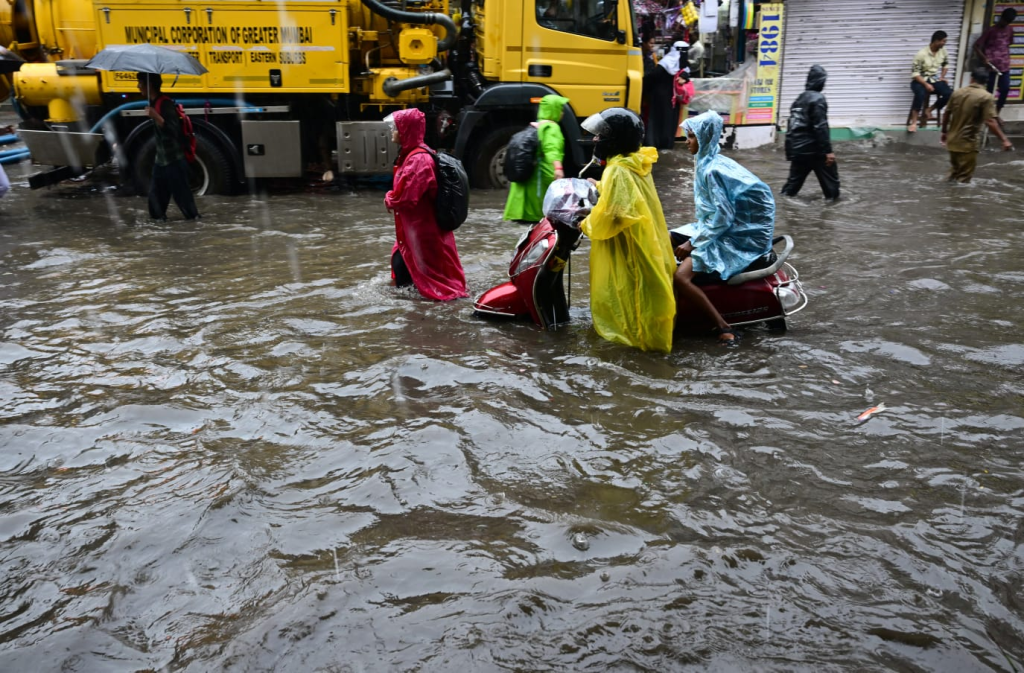
In a city like Mumbai, a cloudburst or many hours of rain can quickly overwhelm storm-water drains, especially if they are clogged or not properly cleaned. But reservoirs need a steady flow of water over many days and weeks before their storage levels rise properly. The current water shortage in Mumbai is mainly because the monsoon was delayed this year. Usually, the southwest monsoon reaches Mumbai around June 10 after first arriving in Kerala. This year, it came later than normal.
These seven lakes are located in the Mumbai Metropolitan Region and nearby districts such as Thane, Palghar and Nashik. Together, they supply around 4,000 million litres of drinking water to Mumbai every day. The situation is worse than last year. Around the same time in 2025, reservoir storage was 39.5%. One major reason was that the monsoon had arrived much earlier last year, so the lakes started filling sooner. This year, Mumbai entered the monsoon with its reservoirs already low.
The answer is that much of it is not stored for drinking. In a city covered with concrete, roads and buildings, rainwater quickly runs over the surface and into storm-water drains. If the rain is too heavy, if drains are blocked, or if high tide slows the flow of water into the sea, water collects in low-lying areas very quickly. That is exactly what happened in places like the Andheri subway and Wadala on Wednesday, where people had to move through knee-deep water.
Another important point is that these lakes are outside Mumbai, in places like Thane, Palghar and Nashik. So their water levels do not depend only on rain falling inside Mumbai city. Also, all seven reservoirs do not receive the same amount of rain at the same time. For example, during the 24 hours before the June 29 review, Tulsi and Vihar lakes in north Mumbai got 179 mm and 110 mm of rain. But Modak Sagar in Thane district got only 38 mm.
Read Also : Fresh Viral Clip Of Siya Goyal At Pub Sparks Online Buzz As Murder Probe Continues