
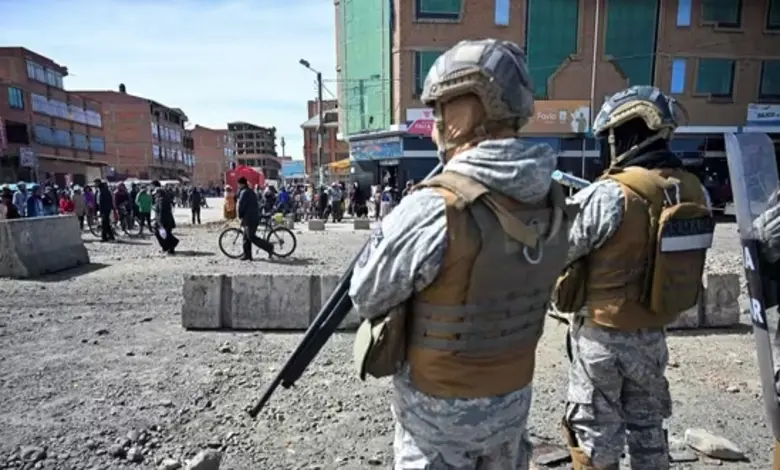
Bolivia has entered a period of heightened tension after nearly 50 days of widespread anti-government demonstrations, prompting authorities to declare a nationwide state of emergency and deploy military forces to restore order. The measures aim to address severe disruptions caused by road blockades that have hampered the movement of essential goods across the Andean nation.
President Rodrigo Paz announced the 90-day emergency in a public address, authorizing soldiers and equipment to dismantle barricades. The decision came as protests, initially focused on specific policy grievances, escalated into broader unrest affecting daily life for many citizens. Blockades have led to critical shortages of food, fuel, and medical supplies, leaving hospitals strained and markets understocked.
The demonstrations originated from opposition to austerity measures implemented by the Paz administration. These included the removal of fuel subsidies as part of efforts to narrow the country’s fiscal deficit, amid ongoing talks with international financial institutions and a growing scarcity of U.S. dollars. Additional discontent arose over land reform policies that permitted the use of property as collateral, raising concerns among rural populations about potential exploitation by large entities.
Although the government later moved to stabilize fuel prices and reconsider aspects of the land reforms, clashes between demonstrators and security forces intensified. Official figures indicate that authorities have made at least 365 arrests during the protests, with around 37 people injured. Tragically, at least 17 deaths have been linked to the crisis, primarily due to interrupted access to healthcare and transportation delays caused by the blockades.



ALSO READ : Keir Starmer Resignation Rumors: UK Prime Minister Reportedly Weighing Exit Strategy
What began as targeted action against fuel pricing and land policies soon broadened. Participants demanded higher wages and, in some cases, the resignation of President Paz, who has been in office for about a year. Diverse groups joined the movement, including unions representing miners, transport workers, teachers, and rural communities. They highlighted ongoing economic challenges such as rising living costs and inflation. Support from backers of former President Evo Morales further amplified the protests through coordinated road blockades.
In justifying the emergency declaration, President Paz emphasized the need to end the disruptions that have prevented ordinary Bolivians from working, studying, accessing medical services, and obtaining daily necessities. A senior minister echoed these sentiments, noting that the steps would help maintain financial operations and protect economic activity nationwide.
While some residents have expressed relief at the prospect of cleared roads and resumed normal movement, calls for leadership change persist. The situation underscores the complex interplay of economic pressures and political divisions gripping Bolivia as authorities seek to balance stability with public demands.