
Slow And Steady Wins More Than The Race: Psychology Reveals 6 Suprising Benefits Of Eating Slowly
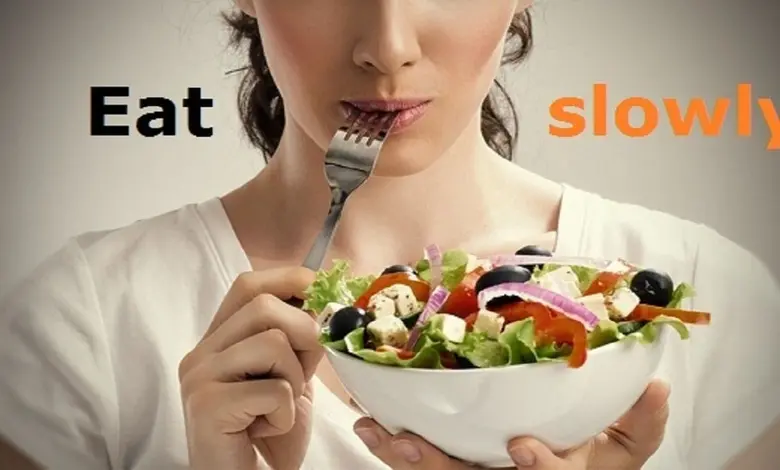
People who take their time at the dinner table may be gaining far more than they realize. According to psychologist and health experts, eating slowly is linked to better digestion, improved weight management, and even greater satisfaction with meals. While fast paced lifestyle often encourage rushed eating habits, research continues to show that slowing down during meals can offer significant physical and mental health advantages.
In a world where multitasking has become the norm and meals are often squeezed between meetings, commutes, or screen time, many people finish eating before their bodies have had a chance to register fullness. Psychologists say this disconnect can contribute to overeating, digestive discomfort, and unhealthy relationships with food.
Here are six scientifically supported advantages that slow eaters tend to enjoy over fast eaters:
- They Are Less Likely to Overeat
One of the most well documented benefits of slow eating is improved appetite regulation. The brain and digestive system communicate through hormones that signal fullness, but these signals can take around 20 minutes to fully register.




People who eat too quickly may consume more food before feeling satisfied, whereas slow eaters give their bodies enough time to recognize when they’ve had enough. As a result, they often consume fewer calaroies without intentionally restricting food.
- They May Have an Easier Time Managing Their Weight
Several studies have found a strong association between fast eating and higher body weight. Researchers believe that eating slowly naturally reduces calorie intake while increasing feelings of fullness after meals.
This doesn’t mean slow eating is a weight loss strategy on its own, but it can support healthier eating habits that contribute to long term weight management.
- Their Digestion often works more Efficiently
Digestion begins in the mouth. Thorough chewing breaks food into smaller particles and mixes it with saliva, which contains enzymes that help start the digestive process.
When meals are rushed, larger piece of food enter the digestive tract, forcing the stomach and intestines to work harder. Slow eaters tend to chew more thoroughly , which may reduce bloating , indigestion, and other digestive complaints.
- They Experience Greater Enjoyment and Satisfaction
Psychologists describe mindful eating as paying full attention to the sensory experience of food. Slow eaters are more likely to notice flavors, textures, and aromas, making meals feel more enjoyable.
This heightened awareness can lead to greater satisfaction with smaller portions, reducing the urge to continue eating simply out of habit or distraction.
- They Often Develop a Healthier Relationship With Food
Fast eating is frequently linked to emotional eating, stress eating, or eating while distracted. Slowing down encourages individuals to become more aware of hunger and fullness cues.
Over time, this awareness can strengthen self regulation and help people distinguish between genuine physical hunger and emotional triggers for eating.
- They May Feel Less Stressed During Meals
Psychologists note that eating speed often reflects overall stress levels. People who rush through meals may remain in a heightened state of alertness, even while eating.
Taking time to eat can create a brief period of calm during the day. Focusing on the meal rather than external pressures may promote relaxation and encourage healthier eating behaviors.
Why Fast Eating Has Become So Common
Modern lifestyles have transformed eating into a hurried activity. Busy schedules, food delivery apps, workplace demands, and constant digital distractions encourage people to eat quickly and move on to the next task.
However, experts increasingly recommend treating meals as dedicated moments rather than interruptions. Simple habits such as putting down utensils between bites, chewing thoroughly, and avoiding screens while eating can help slow the pace naturally.
Conclusion
Psychology and nutrition research point to a simple but powerful conclusion: how people eat may be just as important as what they eat. From improved digestion and weight management to greater meal satisfaction and reduced stress, eating slowly offers benefits that extend far beyond the dining table.
In an age that celebrates speed, slowing down for meals may be one of the easiest health habits people can adopt and one of the most rewarding.
ALSO READ: Why Is June 21st So Special? Know Some Unknown And Interesting Facts