
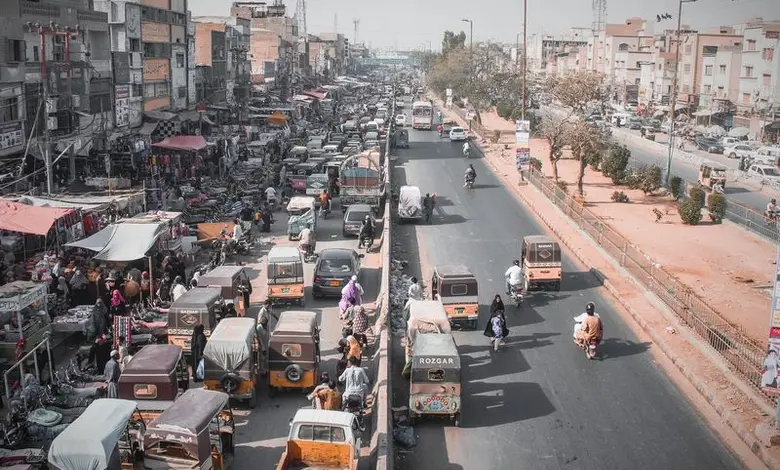
Lahore has always been more than just a Pakistani city. Long before Partition in 1947, it was a vibrant cultural center where Hindus, Sikhs, Muslims, and Jains lived together and helped shape its identity. Many of its neighborhoods, streets, and marketplaces carried names linked to that shared history names like Krishan Nagar, Ram Gali, Jain Mandir, and Dharampura.
Recently, there were discussions in Pakistan about restoring some of these original names as part of a heritage conservation effort in Lahore. Supporters believed the move would help preserve the city’s real historical character and acknowledge the communities that once played a major role in its development. Historians also pointed out that many residents still use some of the old names in everyday conversation, despite official changes made decades ago.
However, the proposal quickly ran into opposition from extremist religious groups. Hardline voices argued against bringing back names associated with Hindu and Sikh heritage, turning what was meant to be a cultural initiative into a political and religious controversy. Under growing pressure, authorities reportedly slowed down or reconsidered parts of the plan.

The debate reflects a deeper issue inside Pakistan the struggle between preserving history and responding to extremist narratives. Lahore’s identity was never built by one community alone. Its temples, gurdwaras, old bazaars, and traditional localities still stand as reminders of a multicultural past that existed before borders divided the region.
For many observers, restoring these historic names is not about changing modern Pakistan’s identity. It is about accepting history as it was. Cities like Lahore carry memories of every community that once lived there, and erasing those memories does not erase the past itself.