
US Pauses $14 Billion Taiwan Arms Deal Amid Iran War as Trump Plans Direct Talks with President Lai Ching-te
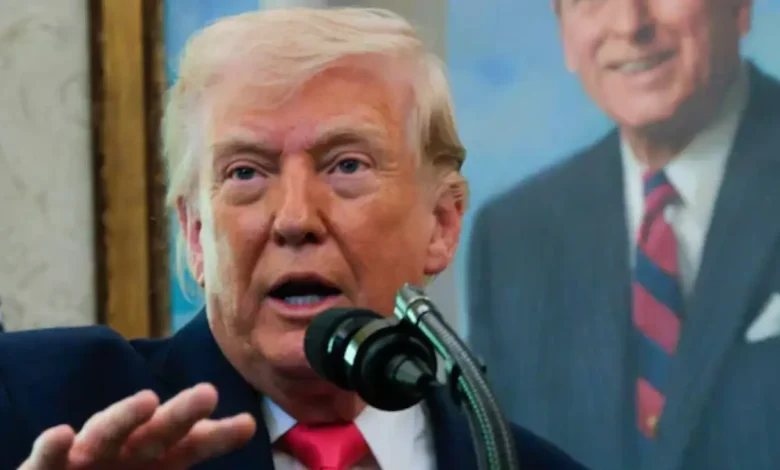
In a major shift from decades of diplomatic protocol, United States President Donald Trump has announced his intention to hold direct conversations with Taiwanese President Lai Ching-te regarding a prospective arms agreement.The planned dialogue would mark a significant deviation from historical precedent, as formal communications between American and Taiwanese leaders have been virtually nonexistent since Washington cut diplomatic ties with Taipei in 1979 to recognise the government in Beijing.
The development emerges shortly after the conclusion of a high-stakes presidential summit in Beijing, where President Trump held detailed discussions concerning the weapons package with Chinese President Xi Jinping.
Addressing the matter on Wednesday, Trump stated, “I’ll speak to him. I speak to everybody. We have that situation very well in hand.”
During the summit, Beijing positioned the Taiwan issue as the focal point of its diplomatic narrative. Following the bilateral meetings, Chinese officials released a statement emphasizing, “Taiwan question is the most important issue in China-US relations.” Concurrently, Trump issued remarks referring to the island as a “sovereign, independent democratic country,” asserting that peace in the Taiwan Strait will not be “sacrificed or traded away.” Conversely, China called upon Washington to “stop sending wrong signals to the separatist forces in Taiwan.”

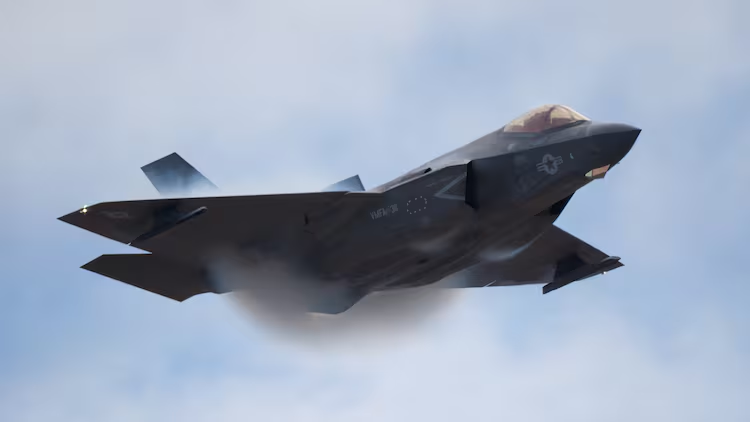
Meanwhile, acting US Navy Secretary Hung Cao testified before a Senate committee earlier today, revealing that the proposed $14 billion arms deal for Taiwan has been temporarily suspended. Cao explained that the pause is necessary to maintain the military’s depleting ammunition stockpiles, which are being heavily consumed amid the war in Iran.
“We’re just making sure we have everything, but then the foreign military sales will continue when the administration deems necessary,” acting Navy Secretary Hung Cao stated.
President Trump has publicly acknowledged the massive defence package as a powerful “negotiating chip.” This characterization is expected to alert Taiwan supporters on Capitol Hill, as withholding the weapons sale would violate the 1979 Taiwan Relations Act. The legislation legally mandates that the US “provides Taiwan with arms of a defensive character.”
Historically, direct presidential contact with Taipei has provoked strong reactions from China. Trump previously irked Beijing when he accepted a congratulatory phone call from Taiwan’s then-President Tsai Ing-wen following his 2016 presidential election victory.
Adding to the geopolitical friction, a report by the Financial Times indicates that Beijing is currently holding a proposed visit by Elbridge Colby, the Pentagon’s top policy official. The delay on Colby’s trip will reportedly remain in effect until Trump finalises his decision regarding the arms sale.
The United States currently finds itself in a tough balancing situation. Washington must navigate its legally mandated support for Taiwan against a critical need for Beijing’s cooperation, all while American military resources remain heavily stretched by the ongoing war with Iran.