
How Trump’s Social Media Posts May Have Put Almost-Done Iran Deal In Limbo, How Did Iran Respond To Trump’s Hormuz Blockade Claims?
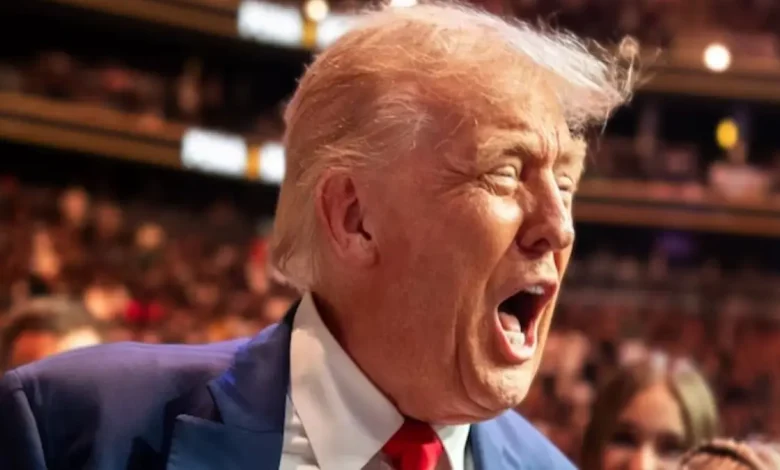
New York : A potential breakthrough to end the seven-week conflict between the United States and Iran appeared within reach over the weekend until US President Donald Trump publicly commented on the negotiations. However, Trump’s decision to publicly discuss ongoing negotiations, including claims about concessions that had not been finalised, triggered pushback from Tehran, and derailed the cautious momentum that had been building.
In one post, he insisted the US was “very close to a deal,” while also stating he was under “no pressure whatsoever” to reach an agreement quickly. Privately, some US officials told CNN that Trump’s public commentary may have undermined progress. Negotiations with Iran remain highly sensitive, particularly given longstanding mistrust between the two sides. Public claims of concessions, especially those perceived as one-sided, risk hardening positions within Iran’s political establishment.
But Iranian officials quickly rejected these assertions, denying that such agreements had been reached or that another round of talks had been scheduled. The conflicting narratives eroded the cautious optimism that had been building around the negotiations. The uncertainty has reportedly been compounded by internal dynamics within Iran. Negotiations are being led by Parliament Speaker Mohammad Bagher Ghalibaf and Foreign Minister Abbas Araghchi, but US officials suspect there may be divisions between the civilian leadership and the Islamic Revolutionary Guard Corps (IRGC).
Trump has publicly rejected even a long-term pause, insisting instead on a permanent halt to enrichment. Iran, meanwhile, continues to demand sanctions relief and control over strategic waterways such as the Strait of Hormuz. The fragile ceasefire between Washington and Tehran has come under renewed strain. On Sunday, a US naval vessel intercepted and seized an Iranian cargo ship attempting to breach a blockade in the Gulf of Oman, further inflaming tensions.




At one point, he suggested the truce would end Wednesday evening, Washington time–effectively extending it by 24 hours – while also indicating he was unlikely to prolong it further. The looming deadline places pressure on both sides: either finalise a deal, accept an interim framework, or risk a return to open conflict. Further complicating matters have been inconsistent signals from the US administration. Trump initially suggested that Vice President JD Vance would not participate in the next round of talks, citing security concerns.
Officials described the situation as “fluid,” underscoring the lack of clarity surrounding the negotiations. Trump’s frequent social media posts, running into hundreds of words in a single day, have further contributed to the unpredictability. While the White House has defended his approach as part of a broader negotiating strategy, critics argue that such public messaging risks derailing sensitive diplomacy. At stake is not just the immediate cessation of hostilities but the broader framework governing Iran’s nuclear programme and regional influence.
However, deep differences remain. Trump has repeatedly ruled out any agreement resembling the Obama-era nuclear deal, while Iranian officials remain wary of making concessions without guarantees of sanctions relief. For now, negotiators are aiming to secure at least a preliminary framework that could pave the way for more detailed talks. But with mistrust high, timelines shifting and public messaging complicating diplomacy, the path to a deal remains uncertain.
Read Also : Germany Gurdwara Clash: 11 Injured as Police Deploy Tactical Units in Duisburg