
US Naval Blockade Chokes Iran’s Oil Revenue as Destroyer Forces Tankers to Turn Back
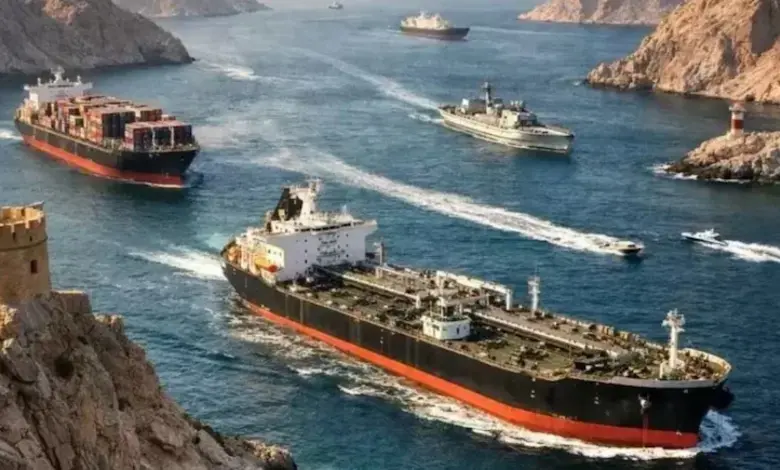
A US Navy destroyer intercepted two oil tankers attempting to depart from Iran on Tuesday, ordering them to reverse course just one day after President Donald Trump’s maritime blockade took effect, according to a US official who spoke on condition of anonymity.
The vessels had sailed from Chabahar port along the Gulf of Oman when the warship made radio contact with them. Details remain unclear on whether additional warnings were issued beyond the initial communication.
The incident provides fresh insight into the early stages of the US blockade, designed to compel Iran to lift its effective shutdown of the Strait of Hormuz. The narrow waterway serves as a critical passage for roughly 20 percent of global oil supplies.
Trump has indicated that the measure aims to pressure Tehran into accepting US conditions for concluding a conflict initiated by the United States and Israel on February 28. These terms include reopening the Strait of Hormuz, a key demand tied to a recent ceasefire with Iran that is set to expire soon.



US Central Command reported earlier on Tuesday that six merchant ships, including the two tankers, complied with instructions to return to Iranian ports in the Gulf of Oman. The military stated that no vessels have successfully bypassed the blockade since it began on Monday at 10 a.m. Washington time (1400 GMT).
The operation represents a significant military commitment, deploying more than 10,000 US troops, over a dozen warships, and numerous aircraft. American forces have emphasized that they will safeguard freedom of navigation through the Strait of Hormuz for all vessels except those traveling to or from Iran.
The blockade followed the collapse of weekend negotiations to end the hostilities. Oil prices briefly surged above $100 per barrel before moderating on Tuesday amid expectations of continued diplomacy.
Experts have expressed caution about the blockade’s long-term impact. Noam Raydan of The Washington Institute for Near East Policy noted that shipping data indicated at least one tanker executing a U-turn, though many vessels involved in Iranian oil trade often disable their tracking systems. “We just don’t know yet how effective it is. We are still in day two,” Raydan observed.
If successful, the strategy could strip Iran of its primary bargaining tool in talks with Washington and restore open access to the strait for international commerce. However, analysts describe a blockade as an act of war demanding sustained naval resources and raising risks of renewed Iranian retaliation, which could further strain the fragile ceasefire.
Iran’s actions against shipping have already driven global oil prices up by about 50 percent. The broader conflict has claimed roughly 5,000 lives, with extensive US strikes significantly degrading Iran’s military capabilities. Tehran nonetheless retains a more hard-line government and a concealed stockpile of highly enriched uranium, according to observers.
Raydan anticipated possible Iranian responses if the blockade persists, including potential strikes on Gulf states hosting US forces, consistent with past patterns of attacks on maritime targets. “We’re in the testing period,” he added.