
‘Indian Friends are Safe’: Iran Offers Hormuz Passage Guarantee as IRGC Charges $1/barrel Toll in Yuan, Crypto
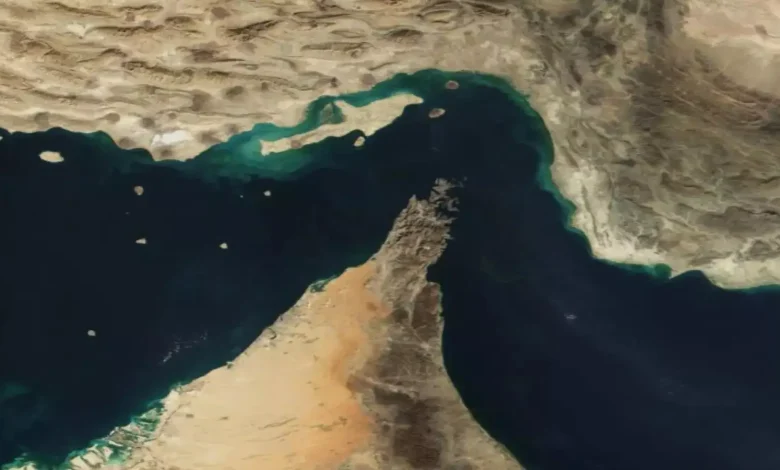
Iran has told India its shipping interests are secure in the Strait of Hormuz, even as reports emerged that the Islamic Revolutionary Guard Corps (IRGC) is running a formal toll system charging vessels roughly $1 per barrel of oil for passage, payable in Chinese yuan or stablecoins like USDT.
“Our Indian friends are in safe hands, no worries,” Iran’s embassy in New Delhi posted on X, complete with a wink emoji. The message followed Iranian Foreign Minister Abbas Araghchi’s assertion that only Iran and Oman would decide the future of the strait a chokepoint handling roughly 20% of global oil and LNG trade.
India Flagged as a Favoured Nation
Iran has repeatedly stated that friendly nations India, China, Russia, Pakistan, and Iraq are being granted preferential transit through the waterway. Several Indian-flagged vessels have already cleared passage after coordination with Iranian authorities. Indian officials, meanwhile, have publicly reassured citizens that domestic fuel stocks remain adequate, and have moved to curb black-marketing of LPG and abnormal spikes in aviation turbine fuel prices.




Iran Claims Control, Calls It Self-Defence
Iran describes its grip on the strait as “full and decisive control,” framing its actions as self-defence following US and Israeli strikes from February 28. The toll system, according to Bloomberg, has been formalised by Iran’s parliamentary National Security Committee. Tankers seeking passage must contact IRGC-linked intermediaries and submit documentation covering ownership, cargo, and crew. A vetting process then determines passage terms based on the vessel’s geopolitical ties to Iran friendly nations get favourable conditions; others risk denial or attack.
Approved ships are issued permits, assigned specific routes, and in some cases escorted by Iranian patrol boats.
The Price Tag: Up to $2 Million Per Transit
The numbers are significant. A standard large tanker carrying around 2 million barrels could face a transit fee of up to $2 million. The requirement to pay in yuan or USDT is a deliberate move to sidestep US-dominated financial infrastructure a notable escalation in Iran’s broader de-dollarisation strategy.
Traffic Still Subdued Despite Assurances
Despite Iran’s guarantees, overall shipping traffic through the strait remains below pre-conflict levels. Major carriers are holding back, with insurance costs climbing sharply particularly after a drone strike on a Kuwaiti tanker rattled confidence in the corridor’s safety.
Also Read:Indonesia Earthquake 7.4 Magnitude Triggers Tsunami Waves Near Ternate Island
The legal standing of Iran’s toll regime under international maritime law also remains unresolved. Under established international norms, territorial jurisdiction is typically limited to 12 nautical miles raising questions about the legitimacy of what Iran is enforcing across one of the world’s most critical sea lanes.