
Indian carriers are pulling back capacity this summer and the numbers are significant. Around 22,600 flights a week are expected once the new summer schedule kicks in on March 29, down from 25,610 last year. That’s roughly 3,000 fewer flights a week, or about a 12% drop, according to officials familiar with the plans. The government hasn’t formally announced anything yet.
The pullback comes down to two things: costs and uncertainty. Fuel prices are up. The rupee is weak against the dollar. And nobody in the industry is confident about how much demand will hold if tensions in West Asia drag on.
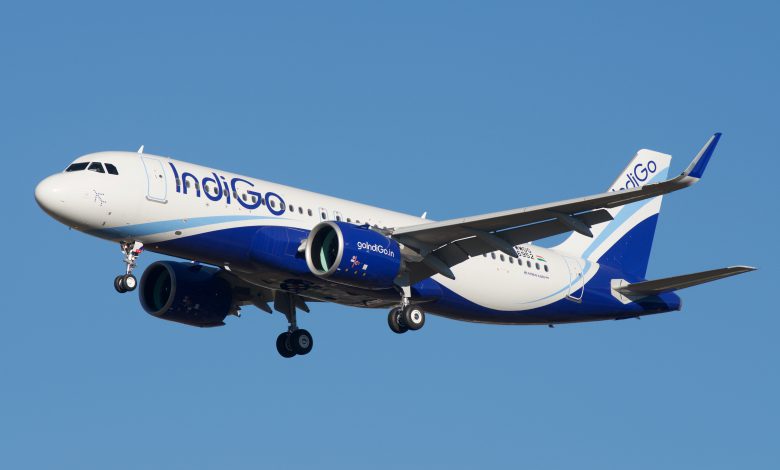
IndiGo was blunt about it. The airline said it plans to open April with close to 2,000 domestic flights daily but warned that its international schedule, originally pegged at winter levels, will shift depending on what happens in the Middle East. “There is a very material escalation in operating costs,” the airline said, with fuel and foreign exchange costs expected to keep rising on top of an already difficult cost environment.
To partially cover the hit, IndiGo has introduced a fuel surcharge but its own spokesperson admitted that fare hikes will soften demand. The airline said it would watch load factors closely and adjust capacity on both domestic and international routes as things develop.




Also Read:Middle East Conflict : PM Narendra Modi To Speak To Chief Ministers Tomorrow
Beyond costs, there’s a sentiment problem. Industry executives say leisure passengers may simply delay travel if geopolitical tensions continue. If planes start flying half-empty, the calculus shifts fast carriers will consolidate routes, club flights, or in the worst case, ground aircraft altogether. Fare increases from April are being discussed.
Meanwhile, the civil aviation ministry has removed the domestic fare caps it had imposed in December, saying the situation that triggered them had settled. The removal comes with a warning: if airlines overprice, the caps come back.