
China Urges De-escalation as Trump Calls for International Warships to Safeguard Strait of Hormuz
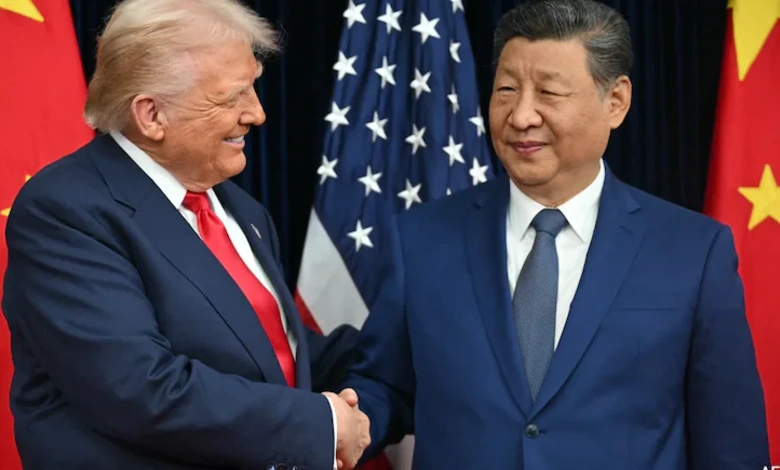
Amid escalating tensions in the Middle East following Iran’s closure of the Strait of Hormuz, US President Donald Trump has called on several nations to deploy warships to ensure the vital waterway remains open for global shipping. The strait, a critical chokepoint for a substantial share of the world’s crude oil and natural gas exports, has faced disruption since Iran imposed restrictions after US and Israeli pre-emptive strikes on February 28.
In a post on Truth Social dated March 14, Trump asserted that countries dependent on oil transiting the strait should contribute to its security, describing it as a “team effort.” He specifically expressed hope that China, France, Japan, South Korea, the United Kingdom, and others would send naval vessels to the area, in coordination with the United States, to eliminate threats from Iran. Trump maintained that the US would provide significant assistance and reiterated claims of having severely degraded Iran’s military capabilities, while noting the ease with which Iran could still disrupt traffic through drones, mines, or missiles.
China responded promptly through a spokesperson at its embassy in Washington, speaking to CNN. The statement emphasized an immediate cessation of hostilities, stressing that all parties bear responsibility for maintaining a stable and uninterrupted energy supply. Positioning itself “as a sincere friend and strategic partner of Middle Eastern countries,” China pledged to enhance communication with all relevant parties, including those directly involved in the conflict, and to contribute constructively toward de-escalation and the restoration of peace.
The United Kingdom’s Ministry of Defence indicated it is actively consulting with allies and partners on various options to protect shipping in the region, without committing to immediate deployment. No responses have been reported yet from France, Japan, or South Korea.


The situation has been compounded by multiple reported attacks on commercial vessels in the strait since its effective closure. Maritime authorities, including the United Kingdom Maritime Trade Operations, have documented at least 29 incidents, involving strikes on tankers and other ships that resulted in fires, abandonments, crew casualties—including the death of an Indian sailor—and vessels being sunk. Iran has stated that the strait remains open to ships from most nations, including Chinese vessels, but has barred those linked to the US and Israel. In one instance, two Indian LPG carriers were granted safe passage after coordination with Iranian authorities.
Brent crude oil prices have climbed to around $103 per barrel as of March 13, underscoring the broader economic implications for global energy security. The developments highlight divergent approaches among major powers, with Trump pushing for a multinational naval presence while China advocates diplomatic channels to ease the crisis.