
U.S. Inquiry Finds American Forces Responsible for Missile Strike That Killed 175 at Iranian Elementary School
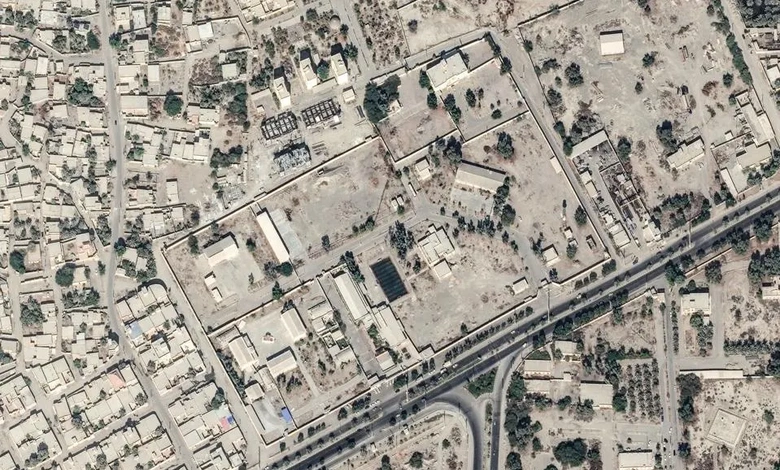
A preliminary U.S. military investigation has concluded that American forces bear responsibility for a catastrophic Tomahawk missile strike that devastated an elementary school in Iran, killing at least 175 people, the vast majority of them children.
The incident occurred on February 28, 2026, when a U.S. missile targeted what was believed to be part of an Iranian naval base in the southern town of Minab. The Shajarah Tayyebeh elementary school building, which had previously been incorporated into or adjacent to the base, was struck due to a targeting error. Officers at U.S. Central Command relied on outdated intelligence provided by the Defense Intelligence Agency to establish the strike coordinates, according to people briefed on the ongoing inquiry who spoke on condition of anonymity.
This preliminary finding directly contradicts assertions by President Trump that Iran itself was responsible for the attack. Iranian officials have consistently reported the death toll at a minimum of 175, with most victims being schoolchildren, making it one of the most severe incidents of civilian casualties in the ongoing U.S.-Israeli military campaign against Iran.
ALSO READ : ‘It Will End Any Time I Want’: Trump Claims Iran War Near Over As Israeli Defence Minister Vows To Press On




The investigation highlights that key questions remain unresolved, particularly why the outdated data was not subjected to additional verification before the missile was launched. The strike unfolded amid broader operations against Iranian military sites, including facilities linked to the Islamic Revolutionary Guards Corps.
Footage and analyses previously reported, including video from IRIB TV via Agence France-Presse showing the aftermath and remnants consistent with a U.S.-made Tomahawk cruise missile, have supported the mounting evidence pointing to American involvement. The Pentagon classifies the Tomahawk as a precision-guided weapon, yet this case underscores a grave failure in target validation.
The findings are expected to intensify scrutiny of U.S. military decision-making in the conflict and complicate ongoing operations in the region. Officials stressed that the inquiry is not yet complete, and further details may emerge as it progresses.