
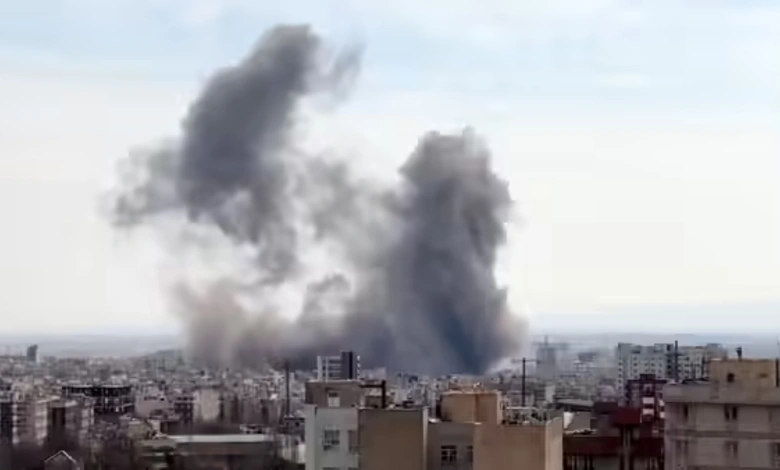
Kuwait reported that hostile drones penetrated its airspace and directly targeted fuel tanks at the international airport, an incident the military described as a deliberate assault on vital infrastructure. In response, air defenses engaged the threats, though falling debris from interceptions caused material damage to some civilian facilities. Kuwait’s national oil company implemented a precautionary reduction in crude production to safeguard operations. No specific casualty figures were released from the Kuwait incident.
In Saudi Arabia, the defense ministry confirmed the successful interception and destruction of 15 drones entering the kingdom. Additional interceptions included three ballistic missiles directed at Prince Sultan Air Base, which houses American troops, and 17 drones over the Shaybah oil field in the southeast. Attempts were also reported toward the diplomatic quarter in Riyadh.
These latest developments came shortly after Iran‘s President Masoud Pezeshkian declared that Tehran would refrain from striking neighboring countries but would not capitulate in the ongoing conflict. Contrasting statements emerged from Iran’s judiciary chief, who indicated that attacks would persist against locations in Gulf states perceived as accessible to adversaries.
ALSO READ : Israel Strikes Tehran Oil Depots: Massive Fires Light Up Iranian Skyline In Escalating War




The conflict has disrupted civilian life and aviation across the region. In the UAE, particularly Dubai, air defenses have intercepted hundreds of projectiles since hostilities began on February 28, including 221 ballistic missiles and over 1,300 drones. Debris from one interception struck a vehicle in Al Barsha, killing a Pakistani driver and raising the UAE’s civilian death toll to four foreign nationals. Dubai International Airport—one of the world’s busiest—temporarily halted operations amid explosions, with passengers moved to safety areas. UAE President Mohammed bin Zayed Al Nahyan addressed the nation, characterizing the period as one of war and affirming the country’s resolve to endure and strengthen.
Qatar‘s defense ministry reported intercepting most of an incoming barrage that included 10 ballistic missiles and two cruise missiles from Iran, with limited impact—no casualties—and some projectiles landing in uninhabited zones or territorial waters.
In Bahrain, authorities have downed 92 missiles and 151 drones since the aggression started, with intermittent explosions in Manama. Missile fragments damaged shops and injured one person, while a strike near Mina Salman seaport sparked a fire that civil defense teams worked to contain.
Elsewhere, Israeli strikes in Lebanon killed four people and injured 10 at a Beirut hotel, with additional deaths reported across more than 20 towns and villages, per the health ministry. The Israeli military described the action as a precise operation against Iranian Revolutionary Guards commanders.
The broader escalation follows U.S. and Israeli actions against Iran, prompting Tehran’s widespread retaliation that has affected oil facilities, air travel, and regional stability. Gulf nations continue to reinforce defenses amid the intensifying crisis.