
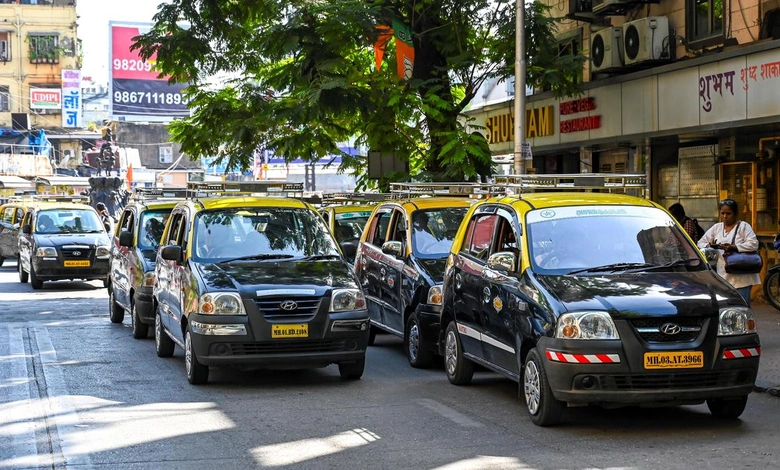
Transport operators across Maharashtra commenced an indefinite statewide strike on Thursday, March 5, 2026, following the collapse of negotiations with the state government. The Maharashtra Transporters Action Committee (M-TAC), which unites truck, tempo, bus, taxi, and auto-rickshaw operators, confirmed the action after a Sunday meeting, signaling widespread disruption to commercial freight and public passenger services.
The protest primarily targets the e-challan system, which operators contend functions more as a means of harassment than effective road safety enforcement. Malkit Singh Bal, a Mumbai-based logistics entrepreneur and former president of the All India Motor Transport Congress—who previously sat on a high-level committee examining these matters—voiced deep disappointment over governmental inaction. Despite the committee’s submission of a detailed recommendations report on December 17, no changes have followed.
Central demands include the immediate revocation of updated e-challan regulations introduced by the Central government in January 2026. Operators also seek the dismissal of all pending e-challans exceeding 90 days, pointing to the unfulfilled resolutions from their June 2025 protest. They insist traffic police prioritize genuine regulation and order over revenue-focused fines and coercive roadside collections.
ALSO READ : Rajya Sabha Elections 2026: BJP Announces 4 Rajya Sabha Candidates From Maharashtra

The group further calls for amendments to Sections 177 and 200(1) of the Motor Vehicles Act on compounding fees, maintaining that time-barred challans should be nullified in line with the Code of Criminal Procedure. A key proposal involves reassigning liability for violations from vehicle owners to the actual drivers, with infractions noted directly on driving licences.
Additional complaints address abrupt “No Entry” restrictions enacted without stakeholder input, severely hampering goods transport. Operators demand a thorough, impartial reassessment of repeated retrofitting obligations—including glass visibility standards, panic buttons, High-Security Registration Plates (HSRP), and body codes—arguing no fresh rules should apply absent rigorous accident investigations.
Infrastructure shortfalls remain prominent, with requests for designated parking facilities, dedicated loading/unloading bays, and driver rest areas, plus the elimination of state check posts and streamlined fitness certification pending full rollout of Automated Testing Centres.
M-TAC underscored the essential public service role of private transporters in sustaining the state’s economy and mobility, urging respectful and constructive dialogue from authorities. Mr. Bal highlighted the need for fair, sensitive engagement.
Transport Minister Pratap Sarnaik conveyed optimism regarding potential resolutions, including a possible “Cleaner Notification” on March 6 and a forthcoming Chief Minister-level call on border check posts. Nevertheless, without a formal Government Resolution, the strike proceeds. A recent session with the Transport Commissioner and senior officials produced no breakthrough.
The shutdown risks halting essential supply lines for commodities like milk and vegetables while crippling urban last-mile transport in hubs such as Mumbai and Pune. The involvement of the Mumbai School Bus Association amplifies concerns amid ongoing board examinations.