
US And Iran Resume Nuclear Dialogue In Oman Amid Looming Regional Conflict Fears
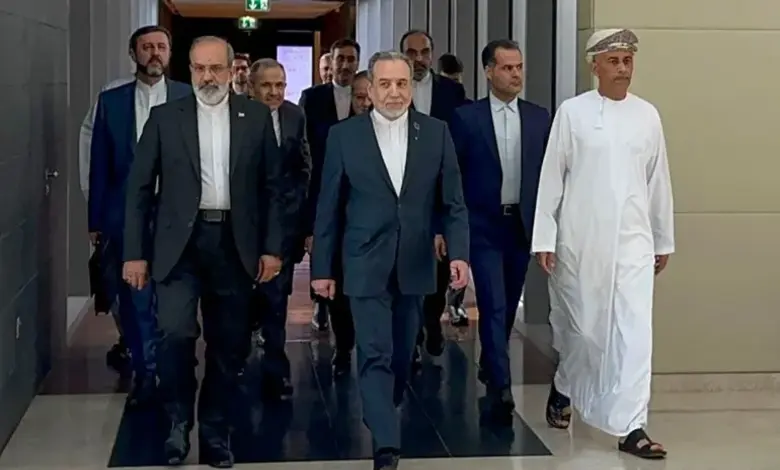
Diplomatic channels between Washington and Tehran reopened on Friday in Muscat, Oman, where indirect talks took place against a backdrop of heightened tensions and widespread concerns over potential military escalation in the Middle East.
Iran’s Foreign Minister Abbas Araghchi led his country’s delegation, arriving in the Omani capital for the discussions. The US side included special envoy Steve Witkoff, Jared Kushner—son-in-law of President Donald Trump—and US Central Command chief Brad Cooper. Omani Foreign Minister Badr bin Hamad Al Busaidi served as mediator, holding separate meetings with each delegation and relaying messages between them throughout the day.
The negotiations marked the first round since last year, following five previous sessions, and came after a sharp deterioration in relations. In June of the prior year, the US participated in strikes on Iranian nuclear facilities during a 12-day conflict involving Israel. Recent US military movements have included deploying the USS Abraham Lincoln carrier strike group and supporting vessels near Iranian waters, bolstering air defenses at regional bases, and intercepting an Iranian drone earlier this week.
Araghchi described the talks to Iranian state television as getting off to “a good start,” while acknowledging a persistent atmosphere of mistrust stemming from the earlier US attacks on Iran’s nuclear sites. He emphasized that Iran would limit discussions to nuclear matters aimed at lifting sanctions and reducing tensions, treating any inclusion of ballistic missiles or other issues as unacceptable.

ALSO READ : Iran’s Top Diplomat Signals ‘Good Start’ Following US Nuclear Talks In Oman
Oman’s Foreign Ministry issued a statement indicating that the consultations centered on establishing suitable conditions to restart broader diplomatic and technical negotiations. Al Busaidi noted that the meetings helped clarify positions on both sides and pinpoint potential areas for advancement, with plans to reconvene at an appropriate time after consultations in respective capitals.
Iranian officials characterized the exchanges as positive, though no concrete de-escalation plan emerged. The Islamic Revolutionary Guard Corps demonstrated continued military readiness on Thursday with a test launch of the Khorramshahr-4 ballistic missile, capable of striking Israel and US regional installations. An IRGC political deputy underscored that participation in talks would not compromise Iran’s defensive capabilities.
Public sentiment in Tehran varied, with some residents expressing hope that diplomacy could ease the threat of war and alleviate severe economic strains, including high inflation. Others voiced skepticism, predicting failure and inevitable conflict, or viewing the current situation as already more burdensome than open warfare.
The talks unfolded as President Trump has repeatedly warned of military action if Iran fails to agree to US terms, which include abandoning uranium enrichment entirely—even at low civilian levels—curtailing missile programs, and ending support for allied groups in Iraq, Lebanon, Yemen, and Syria. European powers have voiced backing for Washington’s stance.
While the session concluded without a firm commitment to immediate follow-up rounds, both sides agreed to review progress domestically before deciding next steps, leaving the door open for continued diplomacy amid persistent risks of confrontation.