
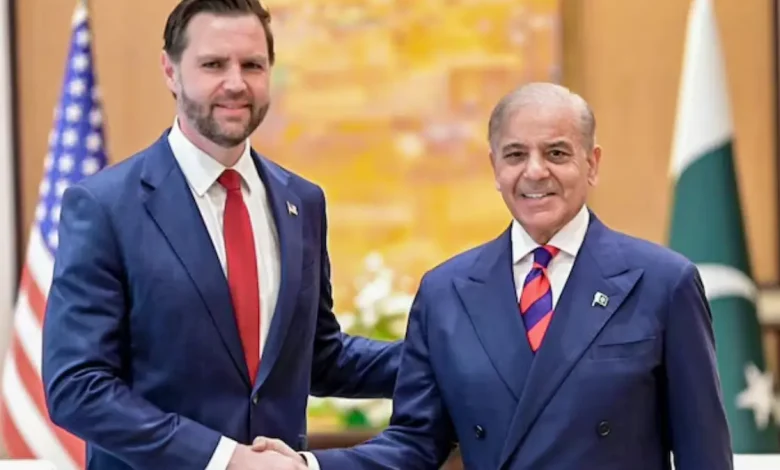
Islamabad : Pakistan is facing criticism again over its role in helping mediate the US-Iran peace deal along with Qatar, after US Vice President JD Vance linked delays in releasing details of the agreement to differences in press freedom.
Speaking on the podcast Interesting Times with Ross Douthat, Vance said the US government took time to publish the memorandum of understanding (MoU) because of concerns about transparency. He said that unlike the United States, where the First Amendment protects free speech and the press, countries like Pakistan and Qatar do not have the same level of public disclosure expectations.
Vance said this is why the full text of the agreement was not expected to be immediately available for public review, although it would eventually be released. The full agreement was later made public on Wednesday after criticism from Democratic leaders and growing pressure for transparency. Some critics also suggested that the delay may have been due to concerns that the deal included major concessions to Iran to end the conflict, which had led to a global oil crisis because of tensions around the Strait of Hormuz.
The situation has also brought attention to press freedom in Pakistan. The country ranks 153 out of 180 in the World Press Freedom Index and has long faced concerns over restrictions on journalists. A recent constitutional change passed in November 2025 has also been criticised for reducing judicial checks on fundamental rights.



Earlier, Pakistan’s Prime Minister Shehbaz Sharif described the US-Iran deal as a major diplomatic success and said a signing ceremony would take place in Switzerland on June 19. However, the agreement was later signed digitally by US President Donald Trump and Iranian President Masoud Pezeshkian, and Iranian officials said no ceremony was planned. Sharif later removed the statement and cancelled his visit.
Vance also said the deal is a 14-point agreement in which Iran agreed to reduce its enriched uranium stockpile in exchange for economic relief. He compared it with the 2015 Iran nuclear deal under Barack Obama, saying the new agreement removes Iran’s ability to build up large uranium reserves. He added that although there was talk of a $300 billion reconstruction package for Iran, the US will not provide any funding under the deal.
Read Also : Why Is June 21st So Special? Know Some Unknown And Interesting Facts