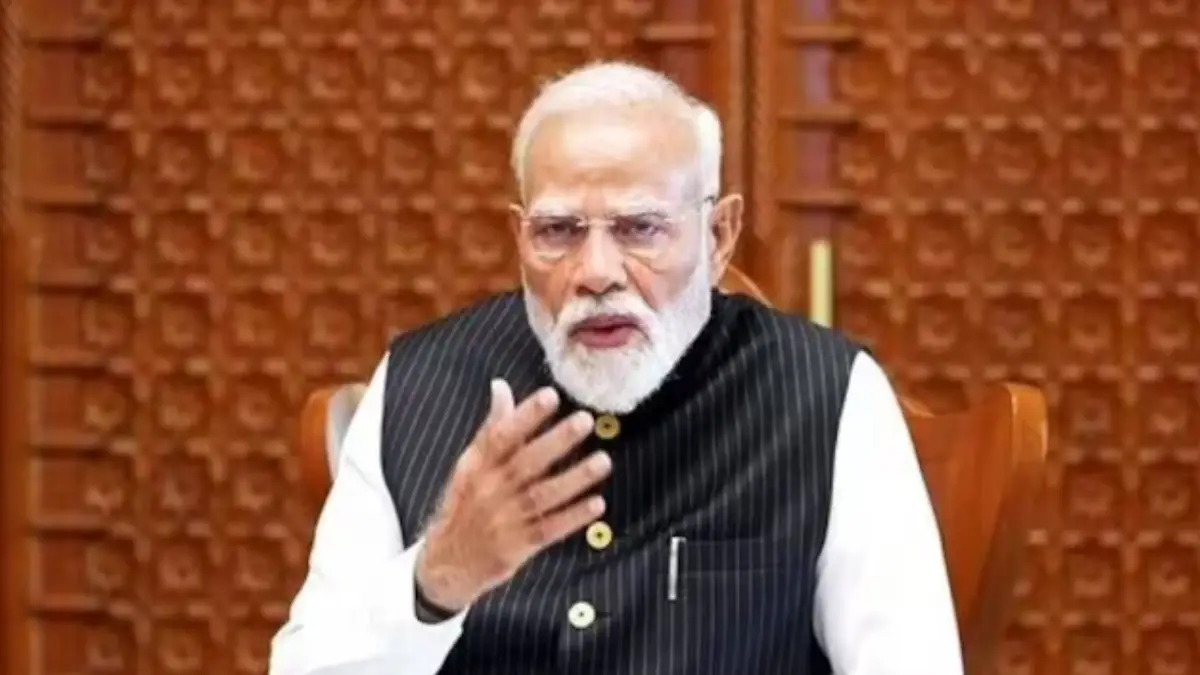
Prime Minister Narendra Modi has urged a united “Team India” approach between the Centre and States to tackle supply chain disruptions triggered by the ongoing conflict in West Asia.
In a virtual meeting on March 27, 2026, with Chief Ministers and Lieutenant Governors of non-poll-bound States and Union Territories, the Prime Minister emphasised coordinated action to safeguard fuel and fertiliser supplies while cracking down on hoarders and those spreading rumours.
This was the first such high-level interaction convened by Mr. Modi since the West Asia conflict began on February 28. He drew parallels with India’s collective response during the COVID-19 pandemic, when the Centre and States collaborated as “Team India” to minimise disruptions to supply chains, trade, and everyday life. The same spirit of partnership, he noted, would prove crucial in navigating the current challenges.
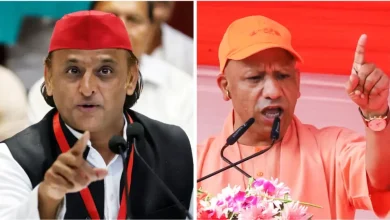
Attendees included Andhra Pradesh Chief Minister N. Chandrababu Naidu, Uttar Pradesh’s Yogi Adityanath, Telangana’s Revanth Reddy, Punjab’s Bhagwant Mann, Gujarat’s Bhupendra Patel, Jammu and Kashmir’s Omar Abdullah, Himachal Pradesh’s Sukhvinder Singh Sukhu, and Arunachal Pradesh’s Pema Khandu. Karnataka was represented by Food and Supplies Minister K.H. Muniyappa in place of Chief Minister Siddharamaiah. Defence Minister Rajnath Singh, Home Minister Amit Shah, Cabinet Secretary T.V. Somanathan, and Home Secretary Govind Mohan also participated.
ALSO READ : PM Modi, Trump Speak For First Time On West Asia Crisis; Strait Of Hormuz Access Takes Centre Stage
According to a post-meeting release, Mr. Modi called for proactive planning in the agriculture sector, particularly close monitoring of fertiliser stocks and distribution to ensure farmers face no hurdles ahead of the Kharif season. He directed special attention toward border and coastal States to address potential issues related to shipping, essential commodities, and maritime operations.
Maintaining public confidence was another key focus. The Prime Minister stressed that clear assurances on the availability of essentials would help avert panic. States with citizens working in West Asia were advised to set up helplines, designate nodal officers, and create district-level support mechanisms to aid affected families and facilitate timely information flow.
On energy security, Mr. Modi encouraged States to accelerate adoption of alternative sources including biofuels, solar power, the GOBARdhan scheme, electric mobility, and expanded piped natural gas networks. He also called for closer coordination with the Centre on boosting domestic oil and gas production.
Defence Minister Rajnath Singh highlighted the Centre’s recent cut in excise duty on petrol and diesel as a supportive measure. Cabinet Secretary Somanathan outlined plans for a robust monitoring system spanning Centre, State, and district levels.
Chief Ministers welcomed the excise duty reduction and the decision to raise commercial LPG allocation to States and Union Territories to 70 per cent of pre-crisis levels from the earlier 50 per cent. The Union government has constituted a Group of Ministers to ensure regular inter-ministerial coordination during the crisis.
A separate meeting with Chief Secretaries of poll-bound States—Tamil Nadu, West Bengal, Assam, Kerala—and the Union Territory of Puducherry will be convened shortly by the Cabinet Secretary.
The discussions underscored the importance of preparedness and collective resolve in shielding the Indian economy and citizens from the ripple effects of the West Asia crisis.
-

-
-
-