
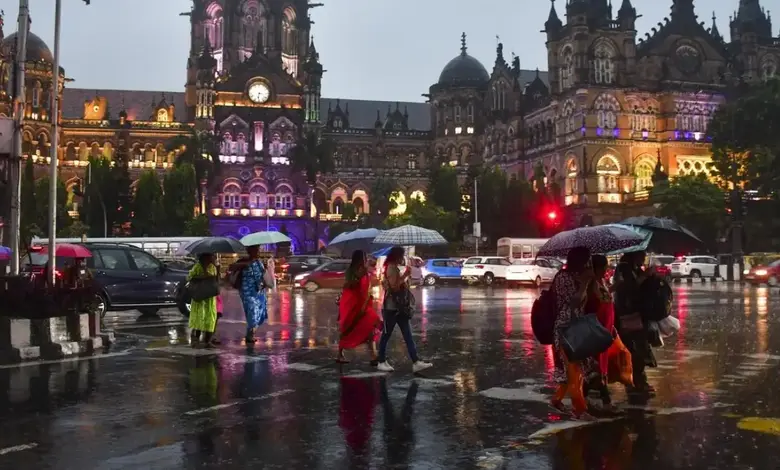
Mumbai greeted the arrival of 2026 with unseasonal heavy rainfall on January 1, particularly intensifying in South Mumbai, providing a welcome cleanse to the city’s lingering air pollution issues.
The showers commenced around 5 a.m., with some reports noting activity as early as 4:30 a.m., easing into lighter drizzles by morning. Areas such as Colaba, Byculla, Lower Parel, and Walkeshwar experienced the strongest impacts, resembling typical monsoon conditions, while visibility reduced sharply along the Coastal Road and Eastern Freeway.
In contrast, suburban zones from Bandra to Dahisar and Kurla to Mulund saw only mild, sporadic showers and ongoing drizzles. Overcast skies persisted, with cool winds dropping the minimum temperature to 16°C.
Residents quickly turned to social media platform X, posting videos and images of the rainfall. Many expressed astonishment at the rare January event, while others welcomed it for potentially clearing dust and pollutants from the air.




ANI shared footage highlighting how the light showers helped reduce pollution levels, with visuals from Lower Parel and Walkeshwar.
Posts included observations of moderate-intensity rain in Malad, early morning downpours since 4:30 a.m., and pouring conditions across south-central Mumbai, Thane, and surrounding regions. Some users highlighted the unusual timing, noting the rarity of January rains and linking it to broader environmental themes.
The unexpected precipitation offered a notable benefit amid recent poor air quality. In late December 2025, Mumbai’s Air Quality Index had frequently reached unhealthy or severe levels, often exceeding 250 due to construction dust and stagnant winds. The rains acted as a natural cleanser, washing### Mumbai Ushered into 2026 with Surprise Downpours as Residents Share Flood of Online Videos
Mumbai greeted the arrival of 2026 with unseasonal heavy rainfall on January 1, particularly intense in the southern parts of the city, providing a welcome cleanse to lingering air pollution. The showers, which began around 5 a.m. and some reports as early as 4:30 a.m., enhanced visibility and helped reduce the Air Quality Index that had lingered in unhealthy levels through late December 2025.
While many global celebrations featured fireworks and parties, residents of India’s financial capital awoke to intense precipitation more typical of the monsoon season. South Mumbai areas, including Colaba, Byculla, Lower Parel, and Walkeshwar, experienced the heaviest impact, with conditions resembling monsoon-like intensity at times. Visibility notably decreased along the Coastal Road and Eastern Freeway. By morning, the rains eased into lighter drizzles.
In contrast, suburban regions from Bandra to Dahisar and Kurla to Mulund saw only mild, sporadic showers and ongoing light rain, merely wetting streets. Overcast skies persisted, and cool winds dropped the minimum temperature to 16°C.
The unexpected weather offered a bright spot by acting as a natural air purifier, clearing particulate matter and easing the city’s recent struggle with poor air quality driven by dust and stagnant winds.