Iran Protest Death Toll Nears 650 as Supreme Leader Warns US Against Intervention
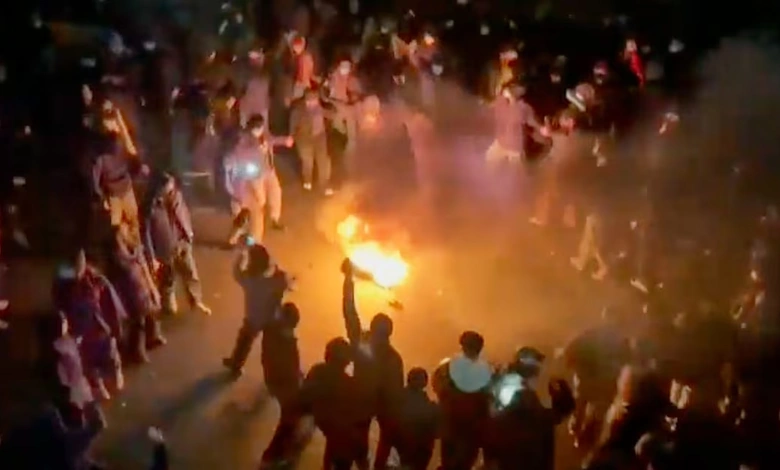
The escalating crisis in Iran has drawn sharp international attention as a Norwegian rights organization reports that nearly 650 protesters have been killed in a brutal government crackdown, while the country’s Supreme Leader has issued a stern warning to the United States amid threats of possible American intervention.
Protests erupted across Iran on 28 December after the national currency, the rial, plunged to a historic low of 1.45 million against the US dollar, prompting shopkeepers and citizens to demand economic stability. The unrest quickly spread, fueled by longstanding grievances over corruption, mismanagement, and sanctions. On 1 January, President Massoud Pezeshkian pledged to dismantle the multi-tiered currency exchange system blamed for fostering graft. Days later, the government rolled out an “economic relief package” providing modest monthly cash handouts—equivalent to about £5—for four months.
According to Norway-based Iran Human Rights, at least 648 people, including nine minors, have died in the suppression since late December, with thousands more injured. The group cautions that the true figure may be higher due to challenges in verification. A US-based monitoring organization, the Human Rights Activist News Agency, previously put the death toll at 544. Among the victims are 26-year-old football referee Amir Mohammad Koohkan and 23-year-old student Rubina Aminian. Disturbing footage analyzed by BBC Verify shows at least 180 bodies laid out in a Tehran mortuary, where families and friends have been identifying loved ones.
ALSO READ : Real Friends Can Disagree, But Always Resolve Differences : US Ambassador Designate Sergio Gor



A near-total nationwide internet blackout, now exceeding 96 hours as of 13 January, has severed most online access, reducing connectivity to roughly 1% of normal levels, according to monitoring group NetBlocks. Phone services and text messaging have been severely disrupted, forcing residents to rely on nighttime chants from their homes to coordinate. Authorities have deployed “kill switch” mechanisms, targeted power outages, military-grade jammers, and restrictions on satellite services like Starlink—though black-market terminals have become a vital, albeit jammed, conduit for limited information to reach the outside world. BBC Persian has managed to contact Iranians via these channels, highlighting the profound isolation and fear gripping the population.
US President Donald Trump has repeatedly signaled readiness to act, stating days ago that the military was “locked and loaded” and prepared to “come to their rescue” if demonstrators faced lethal violence. More recently, he indicated consideration of “very strong options,” while White House Press Secretary Karoline Leavitt described air strikes as one possibility among many, stressing a preference for diplomacy but affirming lethal force remains available. Trump referenced prior US strikes on Iranian nuclear facilities and hinted at supporting regime change, noting private outreach from Iranian officials via envoy Steve Witkoff—though he emphasized maintaining pressure. A high-level meeting on potential action is set for tomorrow.
In response, Supreme Leader Ayatollah Ali Khamenei condemned US politicians for “deceit,” accusing Washington of relying on “treacherous mercenaries.” He hailed state-orchestrated pro-government rallies as a “historic” show of resolve that thwarted foreign plots, framing the day as a victory without directly naming Trump. Foreign Minister Abbas Aragchi cautioned the UK against meddling and demanded protection for Iran’s embassy in London, threatening evacuation if unmet.
UK Foreign Secretary Yvette Cooper, in talks with Aragchi, condemned the “horrific” repression, calling for an immediate halt to violence, respect for rights, and safeguards for British nationals. Protests outside Downing Street urged proscribing Iran’s Islamic Revolutionary Guard Corps as a terrorist group.
With international media largely barred from reporting inside Iran due to the blackout, accurate real-time information remains scarce, underscoring the gravity of the unfolding situation.