
India’s aviation regulator has temporarily suspended newly introduced limits on pilot duty hours after a wave of cancellations by India’s largest airline, IndiGo, upended travel plans for thousands of passengers. The decision came amid mounting operational chaos and hopes to restore normalcy by mid-December.
The revoked rules were part of the revised Directorate General of Civil Aviation’s (DGCA) Phase-II Flight Duty Time Limitation (FDTL) regime, introduced on November 1, 2025. These new guidelines mandated longer rest periods for pilots, restricted night flights, and prohibited substituting leave days for weekly rest — all aimed at reducing fatigue and enhancing flight safety.
Problems surfaced almost immediately. IndiGo — operating hundreds of flights daily across India — found itself struggling to comply. A shortfall in available captains and first officers, especially for its A320 fleet, led to scheduling bottlenecks. On busy days, more than 500 flights were cancelled or delayed, and at one point the airline’s on-time performance dropped below 10 percent.
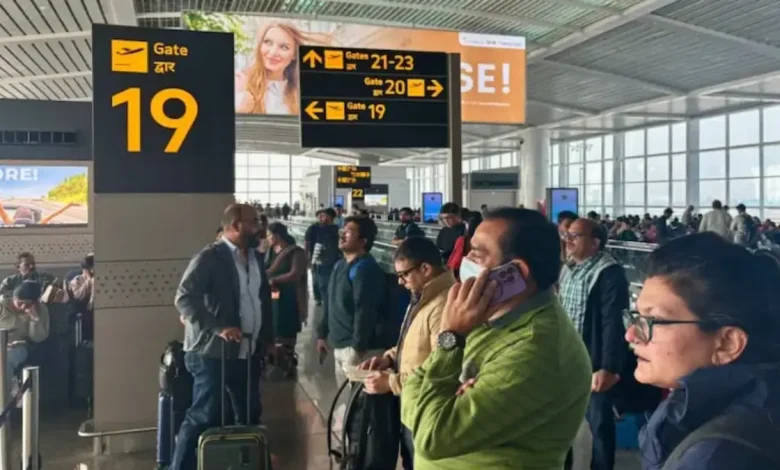
Thousands of travellers were left stranded at airports, with connections missed, ongoing delays and airfare price surges following the disruption. Airports across major hubs including Delhi, Mumbai, Bengaluru, Hyderabad and Kolkata saw significant strain. On Friday alone, over 1,000 flights — more than half of IndiGo’s scheduled services — were grounded.




ALSO READ : Centre Orders High-Level Probe Into IndiGo Crisis, Sets Up 24X7 Control Room For Monitoring
Facing mounting pressure, the DGCA effectively rolled back the rule banning the substitution of leave for weekly rest — a core component of the FDTL — granting IndiGo a one-time exemption. In parallel, the regulator offered to assign its own inspectors as pilots to help resume flights and asked the airline to submit a plan within 30 days to address crew shortages and comply with FDTL standards.
The government defended the move as a temporary, necessary intervention to protect passengers’ interests and relieve widespread disruption, noting it did not expect safety to be threatened. Meanwhile, pilot unions criticized the decision, arguing the exemptions erode safeguards against fatigue and undermine hard-won protections.
As the aviation sector scrambles to recover, all eyes are on IndiGo’s ability to bridge crew gaps and reinstate safe, reliable services — and on whether regulators will restore the rest rules once the disruption ends.