
India–US trade Deal And Big Oil Question, What’s Behind Trump’s Change Of Heart For India?
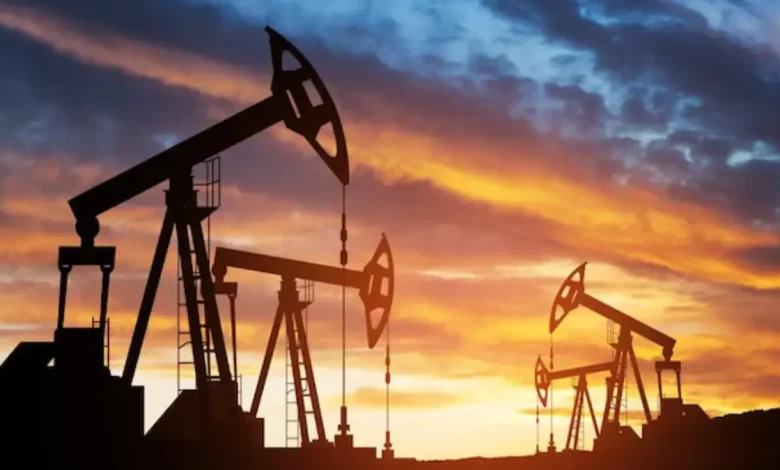
New Delhi : India’s trade agreement with the United States is set to change how the country buys its crude oil, even though the shift will unfold gradually. One highlight from the announcement was Trump’s claim that India will scale down its dependence on Russian crude and increase imports of American oil, with Venezuela also mentioned as a possible supplier.
Before analysts began unpacking the details, one reaction captured the broader mood. Rahul Ahluwalia, founder-director of the Foundation for Economic Development, said the announcement essentially resets India’s options. We go back to business as usual, which is a good thing. The substantial Russian oil discounts had anyway gone away because the price differential was not very big. With more supply entering the global market in coming months from Venezuela, it opens up our choices, he said.
India remains one of the world’s largest oil buyers, importing more than 85% of the crude it consumes. According to data, India imported 21.59 million tonnes of crude oil in December 2025, the highest monthly level in nine months and up nearly 7% year-on-year. The composition of India’s crude imports has also been shifting. According to the Economic Survey 2025–26, the share of US crude in India’s total oil imports rose to about 8.1% between April and November, up from around 4–5% in the previous year.
The composition of India’s crude imports has also been shifting. According to the Economic Survey 2025–26, the share of US crude in India’s total oil imports rose to about 8.1% between April and November, up from around 4–5% in the previous year. This indicates that diversification away from Russia and the Middle East was already underway even before the trade deal was announced.



Donald Trump framed the energy clause as part of a wider reset in India–US economic ties. In his statement on Truth Social, he wrote that PM Modi “agreed to stop buying Russian oil and to buy much more from the United States and, potentially, Venezuela.” He also said this would help “end the war in Ukraine,” linking the tariff relief directly to changes in India’s crude sourcing pattern.
The early reading from energy and market analysts is that the oil component of the deal is a negotiated exchange, not a sudden or disruptive shift. Akshat Garg, Head of Research and Product at Choice Wealth, said, “This India–US trade step reads as a pragmatic exchange rather than a headline-grabbing pact. India agrees to trim select trade barriers and boost purchases of US crude, moves aimed at securing energy, calming inflation and supporting manufacturing.
Garg said the strength of the deal lies in its mutual nature. India maintains its domestic priorities while the US opens market access that supports growth and jobs. He added that clearer rules, smoother logistics, and phased execution will be essential for both countries to adjust without disruption. While the deal is not a cure-all, he said it reduces uncertainty and can strengthen supply chain resilience if implemented sensibly.
He said India’s diverse import base and its growing domestic energy capacity will help cushion any adjustments once commitments begin to take effect. For now, the trade deal signals intent rather than immediate change. India’s crude imports are likely to continue as they are until official documentation is released and refiners receive direction from the government.
Read Also : You Can’t Play With Citizens’ Privacy In The Name Of Data Sharing : SC Warns WhatsApp, Meta