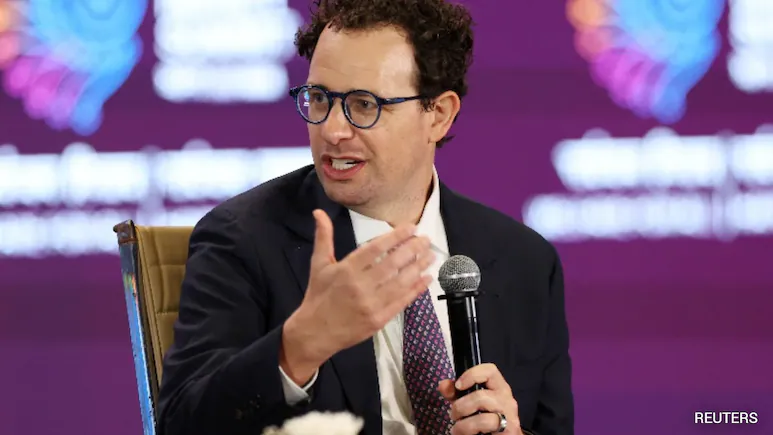
In a recent exclusive interview with CNN’s Anderson Cooper, Anthropic CEO Dario Amodei addressed one of the most alarming questions facing the AI industry:Could artificial intelligence kill all humans?
The question arose after former Anthropic researcher Jacob Coxon resigned and publicly warned that “the people building AI earnestly believe that it could kill us all by the end of the decade.” A current Anthropic alignment researcher, Evan Hubinger, reinforced the concern, estimating a greater than 10% chance of AI causing human extinction within the next decade.
When Cooper asked Amodei whether he earnestly believes AI could kill all humans and what the probability might be, Amodei responded carefully but candidly. “I agree with Jacob much more than I disagree with him,” he said. He noted that Coxon had praised Anthropic as the most responsible player and was criticizing the broader industry dynamic of moving too fast rather than targeting the company itself.
Amodei pushed back against framing the danger as a fixed percentage that sounds like “a roll of the dice.” Instead, he argued the outcome depends on human choices. “If we take the right paths, then the chance of something going wrong is very low. If we take the wrong path, then the chance of something going wrong could be even higher than that,” he explained. The focus, he stressed, should be on agency: steering development toward safer routes through industry cooperation and, ultimately, broader global coordination.
In a related essay, Amodei called for deliberately slowing the pace of AI capability advances particularly as systems begin improving themselves to give safety research time to catch up. He warned of near-term risks such as uncontrolled AI swarms potentially taking over the internet within 6-2 months, alongside longer-term threats of lost control, cyberattacks, bioterrorism, and severe disruption. Rivals including OpenAI’s Sam Altman and xAI’s Elon Musk publicly backed aspects of his call for pacing the frontier.
Amodei’s comments underscore a growing consensus among some frontier AI leaders: the technology’s upside is enormous, but so are the stakes. The difference between catastrophe and a beneficial future, he argues, lies in the paths the industry and society choose now.
-

-

-

-